The short answer
MEA40618 Certificate IV in Aeroskills (Avionics) is a trade qualification for electrical, instrument and radio-system maintenance. It has aircraft-maintenance and component-workshop streams. It can support progression towards further avionics study, but it is not itself a CASA B2 licence.
What does an avionics apprentice or AME learn?
Avionics work combines an understanding of aircraft systems with disciplined testing, fault diagnosis, component work and maintenance records. The task is more than changing a box: an engineer needs to interpret approved data, understand the system and provide evidence that the work meets the required standard.
The qualification covers different work environments through its stream and elective choices. Review the national MEA40618 qualification and the units on your proposed Training Plan. That is more useful than comparing courses by the word “avionics” alone.
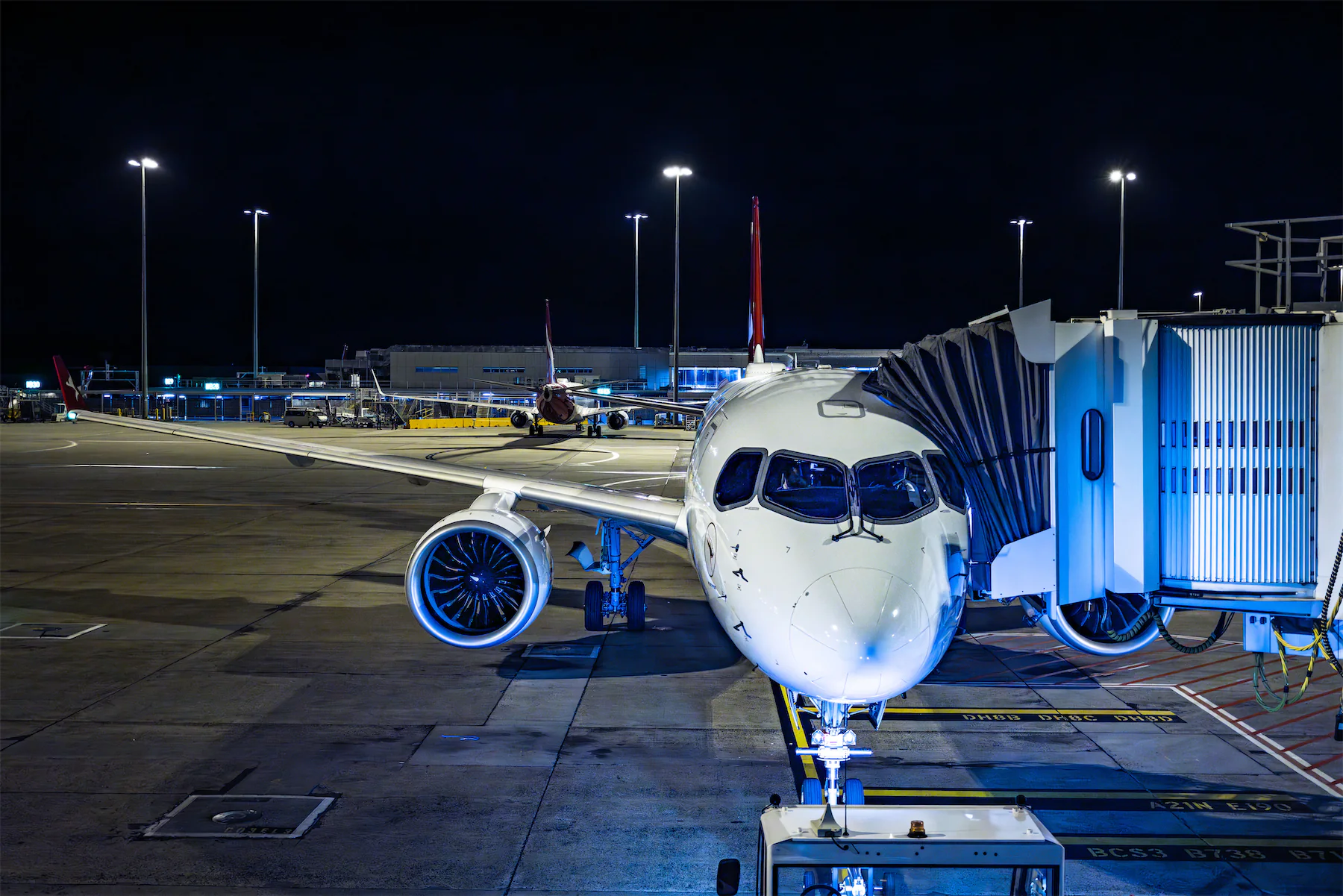
On wing
Aircraft systems and their interfaces.
Training is linked to work on installed aircraft systems. The scope needs to fit the aircraft, equipment and maintenance tasks you can access.
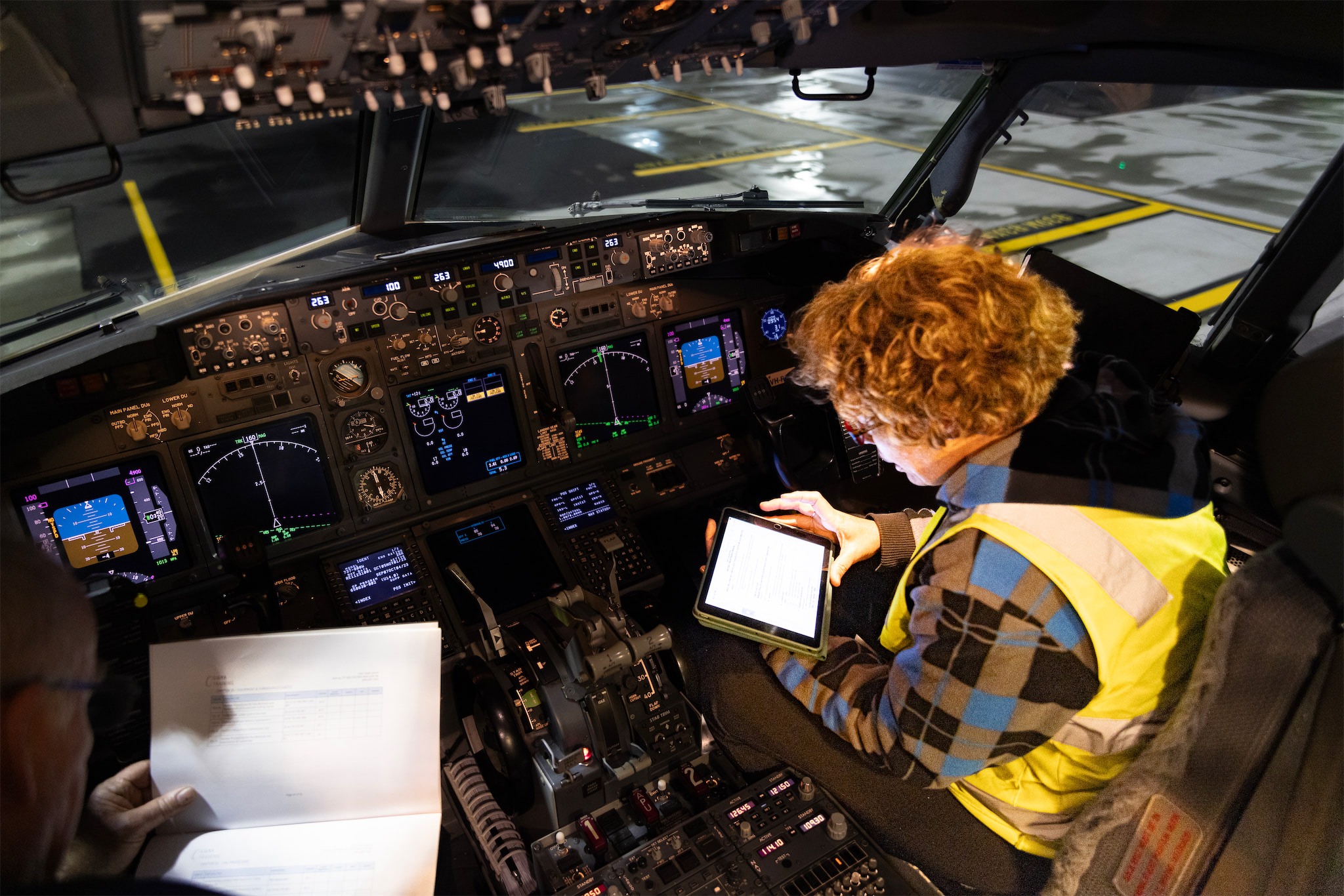
Off wing
Components at the workshop bench.
Training is linked to repair, overhaul and testing of removed avionics components. Workshop competence is valuable, but it does not automatically demonstrate every on-aircraft requirement.
An apprenticeship or RPL: where do you start?
If you are new to the trade, an apprenticeship combines employment with formal training. Employers need to plan suitable supervision, practical exposure and paid learning time. Sigma’s workplace apprentice training brings structured trainer support to the operation; Queensland funded training may be available where the learner and arrangement meet the rules.
If you already maintain aircraft or components, RPL and gap training starts from your existing training and evidence. Completed units may support credit transfer; other experience must be assessed against the relevant requirements. A current CV is useful context, but it does not replace technical evidence.
What evidence should an experienced avionics engineer prepare?
- Qualifications, statements of attainment and the units recorded on them.
- A clear work history showing the aircraft or components, tasks, dates and your role.
- Relevant training certificates, examination records and licences or authorisations.
- Authorised examples of maintenance records and supervisor details, when requested through onboarding.
Evidence must be authentic and attributable to your work. Confirm permission before sharing employer records and discuss restrictions with the assessor. The aim is to recognise competence already demonstrated and make the remaining work clear.

Engineers training engineers
Support for the engineer doing the study.
A working engineer needs a clear next task, feedback and access to help. Sigma’s approach combines unit assessment and targeted learning before the outstanding CASA examinations on a licensing pathway.
How does the Certificate IV connect to B2?
- Trade competence
Complete the applicable Certificate IV units and practical evidence for your stream.
- Choose the next outcome
A diploma is a qualification outcome. A CASA B2 training package addresses the licensing training scope. Tell us which result you need.
- Complete the remaining requirements
Confirm credit, finish the outstanding units and examinations, and meet the applicable experience and licensing requirements.
CASA B2 covers avionics and electrical systems. It is one licence category; Sigma’s fixed-wing and rotary-wing course streams describe training contexts, not separate CASA B2 licence categories. Aircraft ratings, exclusions and employer authorisations still affect what a licence holder can certify. See CASA’s licence-category overview.
For a practical comparison of qualification and licensing choices, read Certificate IV to diploma and CASA licence and B1 versus B2.
Find the avionics course for your work
If you are already aiming at a licence, go directly to B2 fixed-wing training or B2 rotary-wing training and review the available delivery modes and inclusions.
Questions we hear from engineers
Can I become an avionics engineer without an apprenticeship?
Experienced maintainers can ask about RPL and gap training where their background and evidence support it. If you are starting from scratch, you need a structured practical training pathway. An online course cannot substitute for all required workplace competence.
Can a component-workshop qualification be used towards an aircraft licence?
Relevant prior learning can be assessed, but the on-aircraft knowledge, practical scope and licensing requirements must be reviewed separately. Ask for a gap plan for the aircraft outcome you want.
Your next step
Turn avionics experience into a clear next step.
Experienced engineers can choose a course and apply. Employers can enquire about training an avionics apprentice. If you need your first role, build your resume and join the candidate database.
Reviewed 31 October 2026. Course details and regulatory requirements can change. Use the linked course information and current regulator guidance when planning your pathway.