

Engineer TrainingCertificate IV in Aeroskills

Certificate IV in Aeroskills

The main trade qualification for
aircraft maintenance engineers in Australia

Study it through an apprenticeship or traineeship if you are starting out, or through RPL and gap training if you already work in aircraft maintenance (2+ years) and need the formal qualification.

Trade qualification

Why study Aeroskills?

Because this is the qualification the hangar understands. It is the trade base most employers expect, the starting point for many apprentices, and the formal qualification many experienced engineers wish they had done earlier.

The qualification most employers look for

It is not the licence itself, but in practice it is the trade qualification most AME roles are built around in Australia.

Different streams for different work

Mechanical, Avionics and Structures are not the same job. The right stream depends on the systems, aircraft and maintenance environment you actually work in.

Built for apprentices and working engineers

You can start clean through workplace delivery, or formalise years of experience through RPL and gap training.

A stronger base for licensing later

We’ll help you choose the right units early, enabling the qualification to support cleaner progression into later licence-aligned training.

The Cert IV unlocks a portable career

Once qualified, you can access Sigma Aerospace Workforce for roles across Australia in airline, MRO, GA and Defence environments.

What is the Certificate IV in Aeroskills?

It is the core trade qualification for aircraft maintenance work.

When someone searches for “Certificate IV in Aeroskills”, what they usually want to know is simple: is this the qualification I need to work in aircraft maintenance?

For most engineers, the answer is yes. This is the main trade qualification employers expect to see for AME-level work. It proves that your capability has been built and assessed in a real aviation maintenance context, against the right stream and the right units.

It is also the point where a lot of career paths split. Some people complete it through an apprenticeship or traineeship and then keep progressing. Others have already spent years in hangars or workshops and use RPL and gap training to finally get the qualification that matches the work they have been doing.

That is why this page matters. The Cert IV is not just a certificate. It is the qualification that tells the industry you have done the trade properly.

Explore Qualifications

The Sigma team was very helpful in the lead-up to my course.
The Sigma team was very helpful in the lead-up to my course. They provided clear instructions, answered my questions promptly, and made sure I had everything I needed to be prepared. I would say they were supportive and went above and beyond to make the process smooth. The learning material and its presentation were clear and really helpful. The content was well-structured, easy to follow, and covered everything I needed for the course.
Ryan – TP Aerospace

Mechanical, Avionics and Structures

Choose the stream that matches the job, not the one that sounds closest.

Mechanical
Best suited to engineers working on airframes, engines, landing gear, hydraulics, pneumatics, propellers and related mechanical systems. This is the usual trade base for AMEs heading toward mechanical maintenance roles on aircraft.
Avionics
Best suited to engineers working on electrical, instrument, radio and aircraft electronic systems. This is the right stream if your day-to-day work is in testing, troubleshooting, rectification and installation of avionic systems and components.
Structures
Best suited to engineers working on structural repair and modification, including metal and composite work, corrosion repair and structural rebuild tasks. In some environments, especially GA, it can also include fabric and wooden structure work.
Aircraft maintenance or component maintenance
Mechanical and Avionics both need the right fit between whole-aircraft maintenance and workshop-based component work. A student working live aircraft in the hangar should not be put onto a workshop-shaped path, and vice versa.
Fixed wing, rotary, turbine or piston
The unit mix needs to reflect the aircraft you actually work on. That matters for employability now and for licensing pathways later. A fixed wing turbine path is not the same as a rotary piston one.

How the Cert IV connects to licensing

The Certificate IV is your trade qualification base. The later licence pathway depends on the stream and the units you select.

For engineers who are thinking beyond the trade qualification, the big point is this: the stream you pick now affects what makes sense later.

The Mechanical stream is the normal base for engineers who want to keep progressing into the Mechanical Diploma and then on toward B1 licensing outcomes. The Avionics stream is the equivalent base for engineers progressing toward the Avionics Diploma and B2 outcomes.

The Structures stream is different. It is a strong and recognised specialist trade qualification for structures maintenance and repair, but it is not the same straight licensing conversation as Mechanical and Avionics.

The short version: if licensing is part of your long-term plan, build the Cert IV with that end point in mind.

Why study the Cert IV with Sigma?

Fast to start. Supported to finish. Strict on standard.

Students like Sigma because the process moves. You do not disappear into an admin queue and wait months for someone to tell you what happens next. We move quickly on enrolment, RPL review and study setup, and trainers are available when you need real answers.

Employers like Sigma because we focus on progression & competence – and doing the work of ensuring students reach an outcome. Evidence is gathered against live tasks, the stream is matched to the work, and the training is aimed at building useful engineers, not just issuing paper.

What matters most is this: we are efficient, but we are not soft. We assess the evidence properly against the full unit, and we support the learner while still holding the line on standard.

Speak to our Team
I felt genuinely supported and fairly assessed during both stages of the process.
Both instructors demonstrated professionalism and genuine engagement throughout the course. Geoff conducted the theoretical module assessments with clarity and structured feedback, ensuring alignment with competency standards. Warren led the practical competency conversation in a highly professional and technically rigorous manner, demonstrating strong industry knowledge while maintaining an approachable and supportive communication style. I felt genuinely supported and fairly assessed during both stages of the process.
Rodrigo Sestrem

How you can study it

Two main pathways. Different starting points.

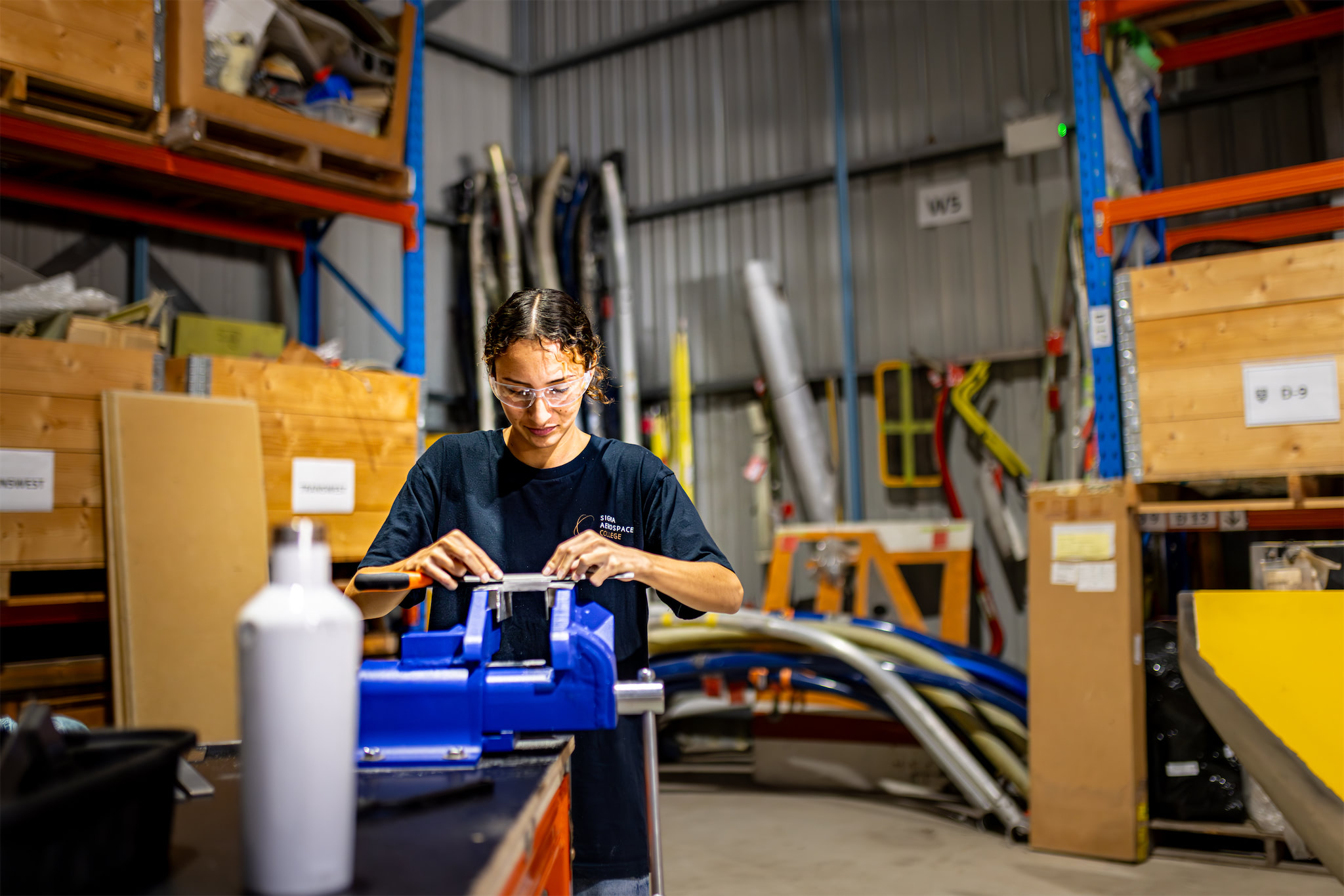
Workplace delivery is the best option if you are new to the trade, starting as an apprentice or trainee, or want a fully structured path with trainer support, staged progression and a training plan built around your actual maintenance exposure.

RPL and gap training is the better fit if you already work in aircraft maintenance (for 2+ years on aircraft) but never got the formal qualification. That includes engineers coming across from Defence, experienced overseas engineers who need an Australian qualification, and AMEs who have been doing the work for years and want the Cert IV to catch up with reality. This mode is enabled by the fact that in aircraft maintenance, we have highly traceable, authentic evidence that a given individual has undertaken a task – by way of work history sheets, task cards, and logs.

Both pathways are built to the same outcome. The difference is whether you are building the trade from the ground up, or formalising proven experience without repeating work you can already demonstrate.

Start with the right mode and the whole process gets cleaner.

Explore Study Modes

Important: you need to be in a real maintenance environment

You cannot study this qualification properly in a vacuum.

To study the Cert IV through Sigma, whether by workplace delivery or RPL and gap training, you need to be employed in a real aircraft maintenance environment.

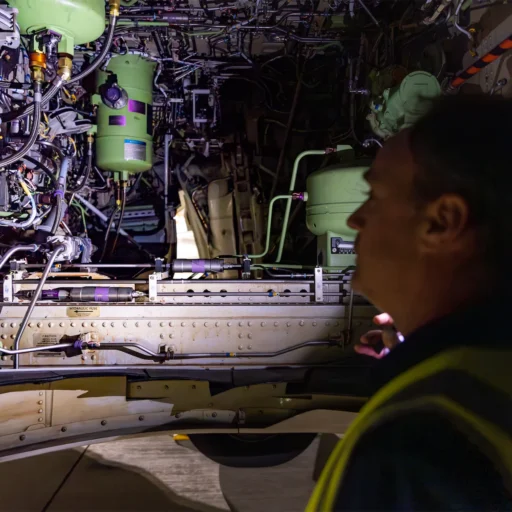
That means access to live aircraft and/or aircraft components, approved maintenance data, real maintenance records, and the practical tasks that let you generate valid evidence against the units. This is not a qualification that should be built around hypothetical work.

If you are not in that environment yet, the better starting point is not to force yourself into the Cert IV too early: look at the right entry path first, whether that is an apprenticeship opportunity, AIR, or a role that gets you into the hangar.

Is this for me?

A good aircraft engineer is not just someone who likes aircraft – though it usually helps.

People who do well in aircraft maintenance are usually practical, methodical and calm under pressure. They like solving real problems. They are comfortable working with their hands, but they also respect process, documentation and detail.

Good engineers do not guess. They ask questions, check the data, follow the standard and stay patient when a fault is not obvious. They take pride in getting it right, even when the task is repetitive or the conditions are ordinary.

You do not need to come into the trade knowing everything. You do need the right attitude. If you like technical work, want a career with real responsibility, and would rather build something solid than chase a vague office job, aircraft maintenance is worth a serious look.

For parents, that usually means this: it is a proper technical trade with real progression, real standards and real demand for people who can do the work well.

Explore Qualifications

What happens after the Cert IV?

Training is more valuable when it connects to real jobs.

Once you have your Certificate IV, Sigma Aerospace Workforce can help connect you with roles around Australia.

That matters because Sigma does not sit only in training. We also work across workforce and maintenance. So when you finish the qualification, you are not left holding a certificate and wondering what comes next. You can speak with a team that understands AME roles, maintenance environments, aircraft types and what employers are actually asking for.

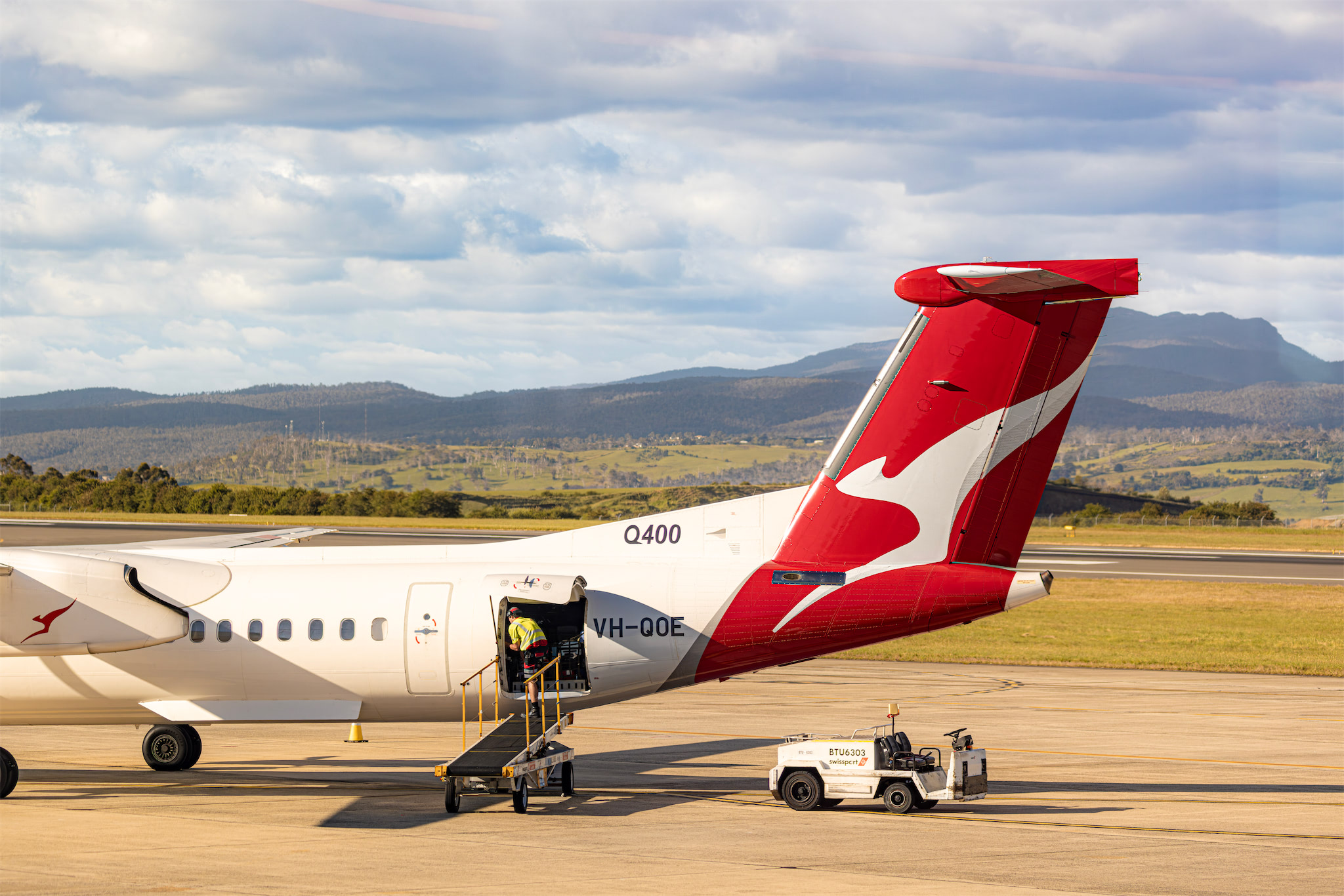
That can include airline, MRO, general aviation and Defence-related opportunities where the fit is right. The point is not to promise every graduate every job. The point is to give qualified engineers access to a real pathway into the market.

Get qualified, then move with purpose.

Speak to the Workforce Team
Need the Cert IV, but not sure which path fits?
Tell us your stream, your current work environment, and whether you are starting fresh or coming in with experience. We will point you to the right route.
ENQUIRE