Already an engineer?
Choose the licence, exclusion or qualification you need. Apply online and follow the payment and enrolment steps.
Find my course & apply

AQF Aeroskills qualifications, CASA Part 66 outcomes, and type training. Built around evidence, not busywork.
Choose the licence, exclusion or qualification you need. Apply online and follow the payment and enrolment steps.
Find my course & applyTurn your practical interests, projects and work experience into a resume you can take to employers.
Build my resumeTell us about your apprentices, team or training gaps. Start with the enquiry form and we’ll work through the options.
Enquire about team trainingIf you’re maintaining aircraft today, your training should respect that reality and still meet the bar.
Sigma Aerospace College is built for engineers at every stage of the trade. Apprentices who need structure. Experienced AMEs who need recognition of real work. And engineers chasing specific CASA outcomes who want the pathway explained clearly.
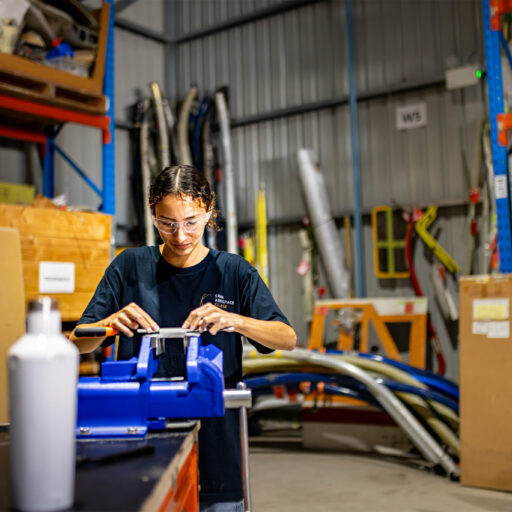
We work in two systems at once because aviation does. The vocational system is about competence across the full unit. CASA licensing is about knowledge exams and documented experience. We don’t try to mash those together. We run them in the right order so you can prove competence properly, then sit invigilated CASA exams when you’re ready.
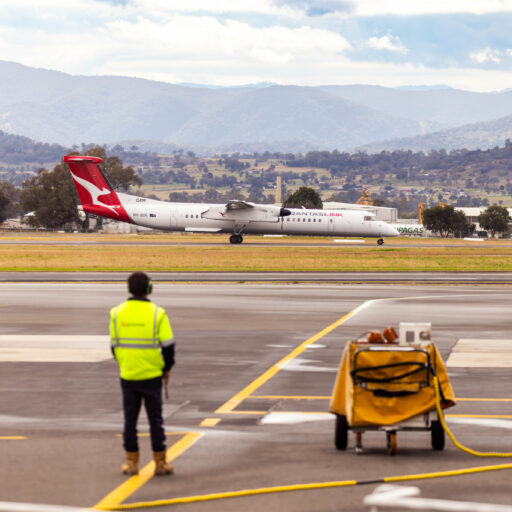
We organise training around aircraft maintenance work and assess the full unit requirements. Students can see what they must complete and how they will be assessed.
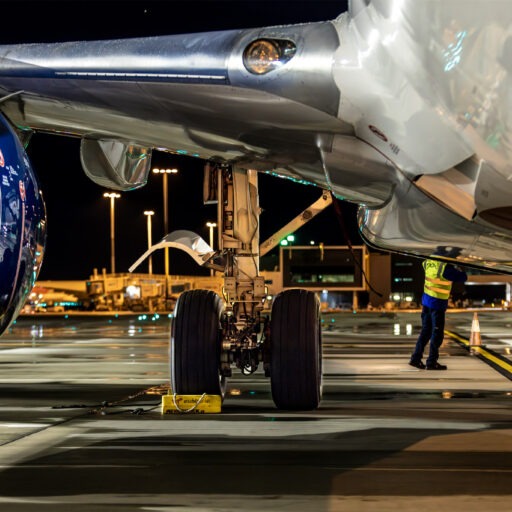
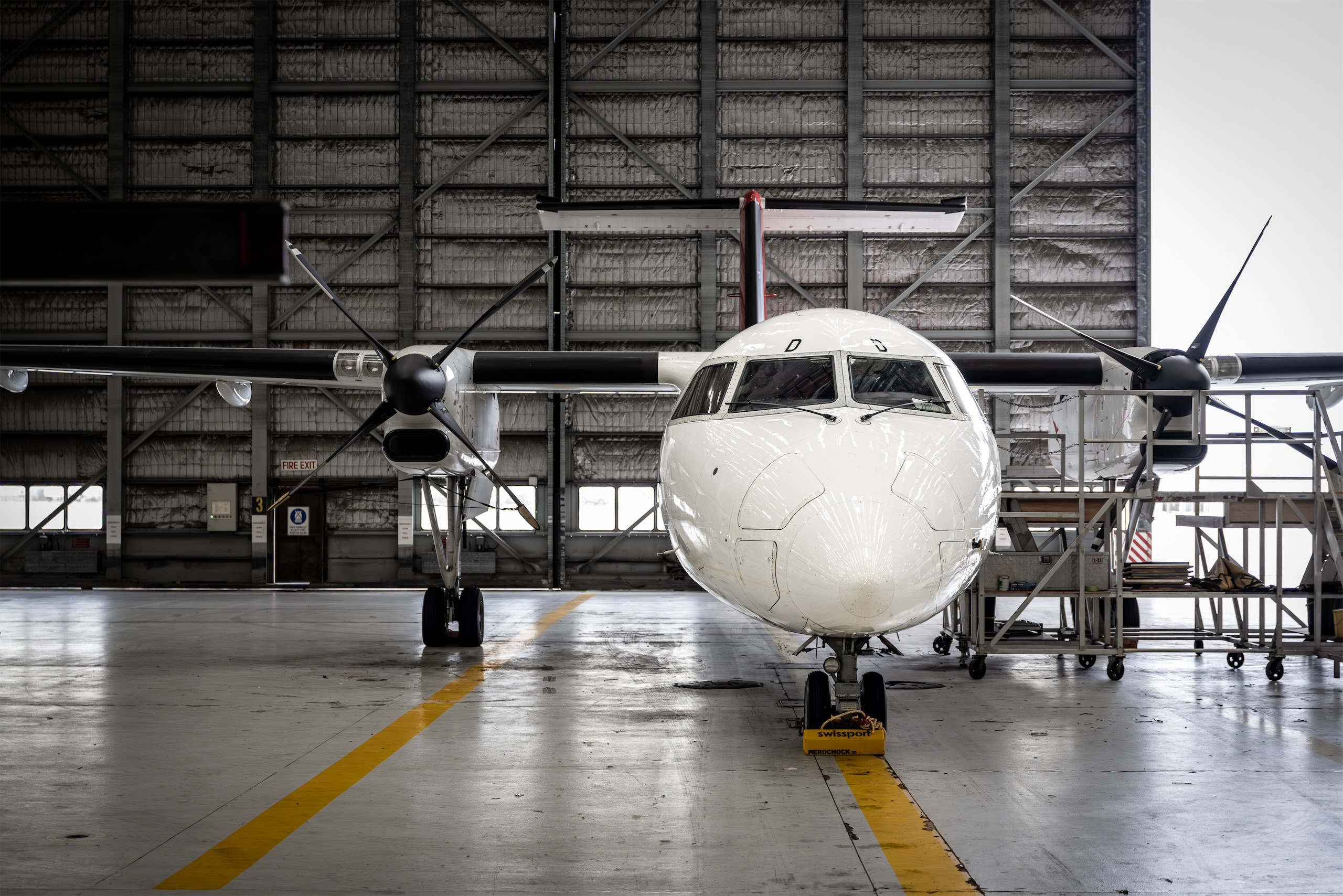
Same standard. Different delivery.
Workplace delivery is built for apprentices, trainees, and developing engineers. You get a structured Training Plan, scheduled check-ins, and practical sign-off through your workplace supervisor with our assessor oversight.
RPL with gap training is built for experienced engineers already working on operating aircraft. You receive an initial Training Needs Report that shows what you already cover and what you still need. We then set up your LMS with a learning plan that targets only the gaps.
Pick the mode that fits your current work reality. We’ll keep the evidence standard consistent.
Explore our Study Modes
Because a licence outcome is not the same thing as a qualification outcome.
AQF Aeroskills units require full coverage of performance evidence, knowledge evidence, and assessment conditions. That means a clear competent / not-yet-competent decision across the whole unit, backed by mapped evidence.
CASA Part 66 module exams are separate, invigilated knowledge exams. They are sampling exams designed to confirm deep knowledge for licensing. We use them the way they were intended: as a licensing check after competence and context are established, not as a shortcut to “prove” a whole unit.
If you’re thinking “which 50% of the engine mount bolts are you happy not knowing about?”, you’re asking the right question.
Licence Courses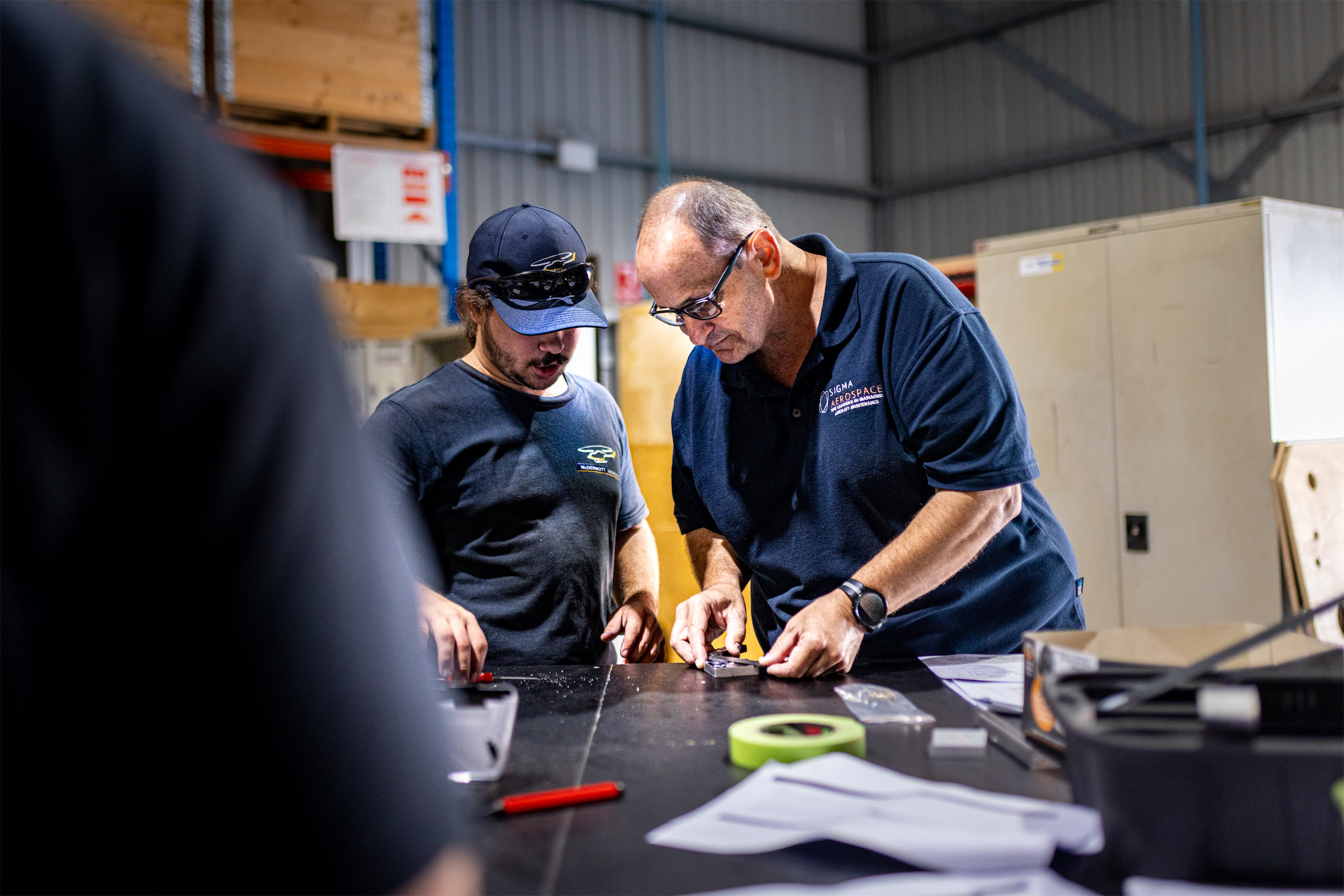
Clear stages, verified evidence, and invigilated exams where required.

Certificate II, Certificate IV, Diploma. Delivered for working engineers and apprentices.
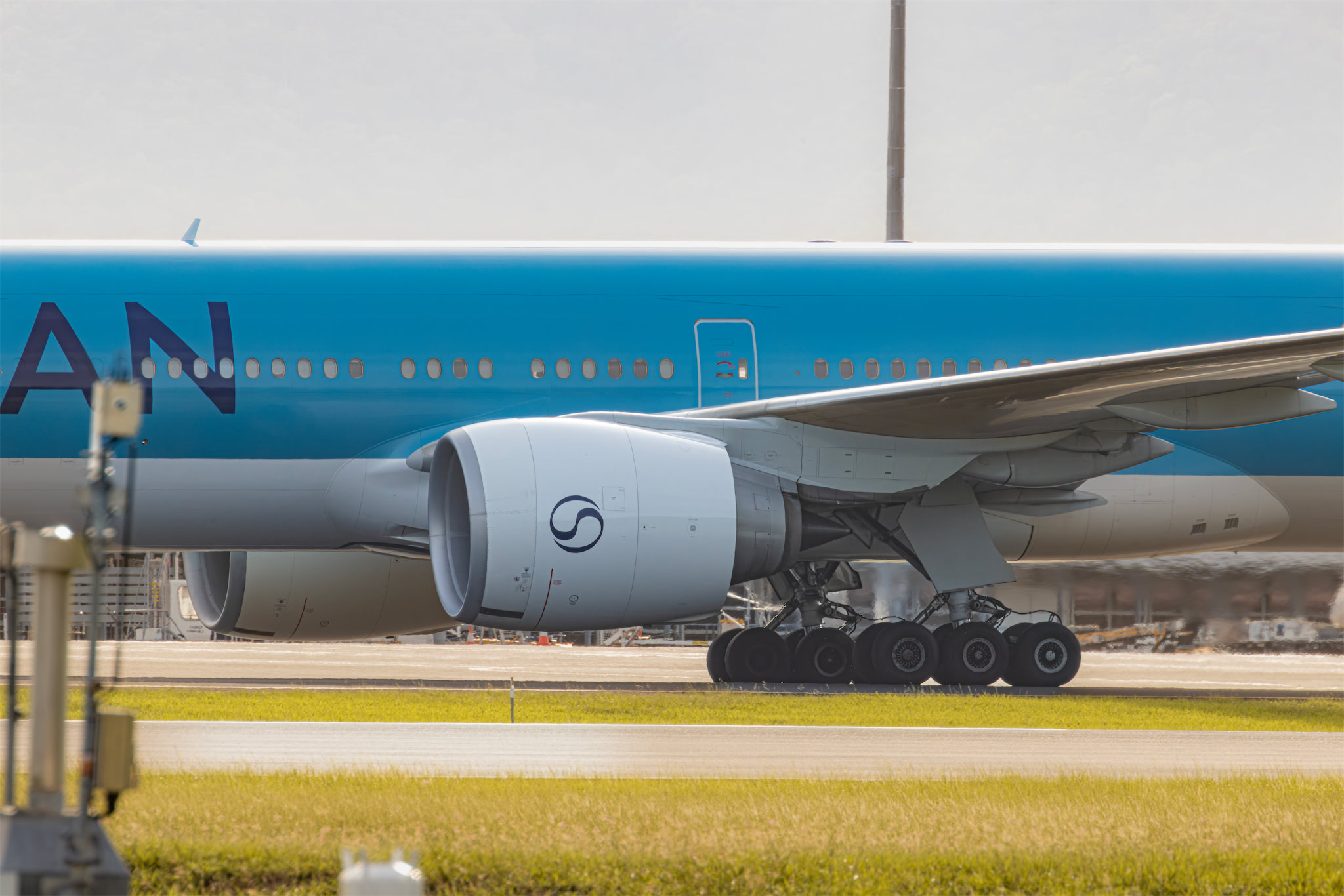
Category knowledge training and pathways aligned to real licensing outcomes.
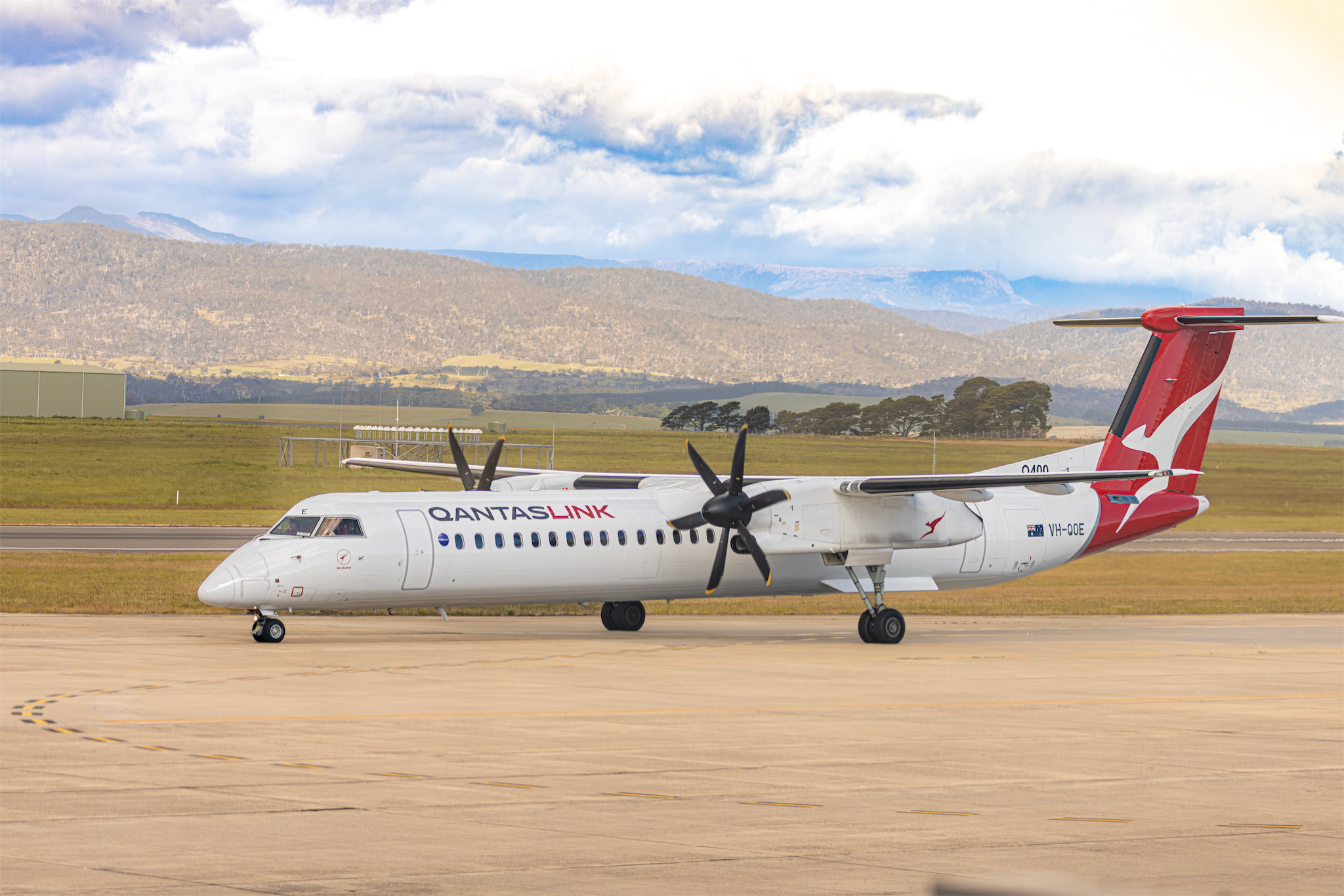
Type courses and approvals, delivered to meet operator and licensing needs.
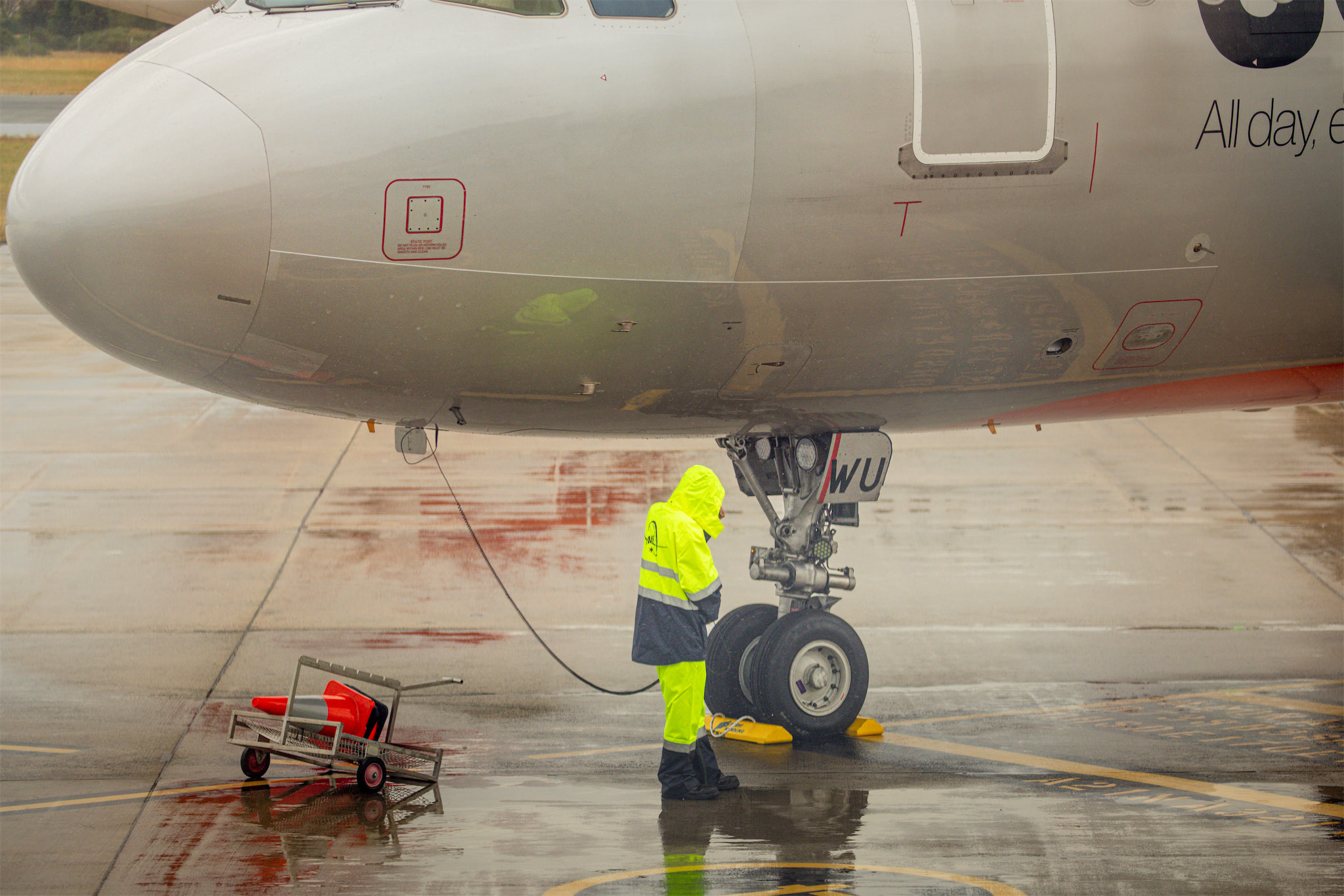

Workplace delivery for apprentices and trainees with structured progression.

Recognition that stands up to scrutiny. No “tick and flick”.
The fastest way to get your training moving is to apply for the course you need. Open the course, check the requirements and follow the payment and enrolment steps.
