Already an engineer?
Choose the licence, exclusion or qualification you need. Apply online and follow the payment and enrolment steps.
Find my course & apply
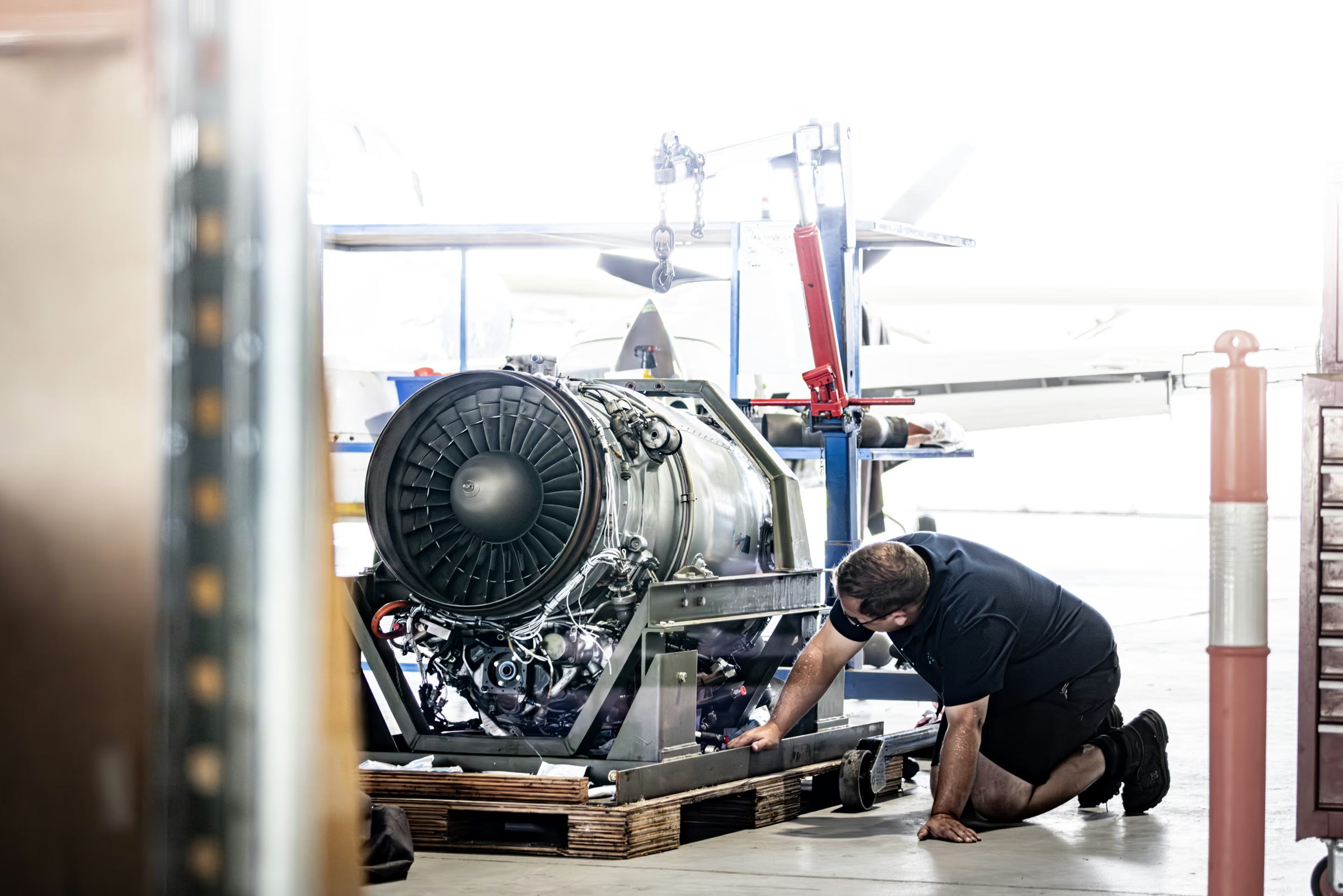
Sigma Aerospace College delivers aircraft engineer training for apprentices, working AMEs and maintenance organisations across Australia. Explore Aeroskills qualifications, RPL and gap training, CASA Part 66 licence pathways and aircraft type courses.
Choose the licence, exclusion or qualification you need. Apply online and follow the payment and enrolment steps.
Find my course & applyTurn your practical interests, projects and work experience into a resume you can take to employers.
Build my resumeTell us about your apprentices, team or training gaps. Start with the enquiry form and we’ll work through the options.
Enquire about team trainingA starting point that fits
Aircraft engineer training should build on where you are now. Start with your experience and the work you want to do, then choose the right qualification or licence pathway.
Find out what an aircraft maintenance engineer does, prepare your resume and learn how to approach employers for your first role.
Start your careerBuild your trade skills through an Aeroskills apprenticeship, with a training plan, workplace visits and support for you and your supervisor.
Apprentice trainingPut your experience to work through recognition of prior learning (RPL), then complete the training and assessment needed to close your gaps.
RPL & gap trainingPlan apprentice development around your aircraft, facilities and maintenance work. Give your supervisors a training team they can talk to.
Employer informationEmploying apprentices in Queensland? See our funded training information and eligibility requirements.
Courses & pathways
Explore trade qualifications, CASA licence training and specialist courses. Each pathway explains who it suits, what evidence is needed and how to apply.
Build the trade skills needed for aircraft maintenance, or extend your training through the relevant diploma stream.
Work towards the category and scope you need. Understand how units, basic knowledge exams and practical experience fit together.
Have your existing knowledge and practical skills assessed, with a clear plan for the units and learning still required.
Find training for a particular aircraft type, including theory, practical assessment and on-the-job training information.
Address a category exclusion, plan a return to licensed work or identify the gaps between overseas training and CASA requirements.
Plan the training needed for your MAML or a move into civilian maintenance, and find targeted courses for your current work.
Open the course record to check its scope, entry requirements and application options.























How you train with Sigma
Sigma Aerospace College is a registered training organisation (RTO 40713) and CASA Part 147 maintenance training organisation (MTO.0051). We assess unit knowledge and practical competence separately from the CASA knowledge exams required for a licence outcome.
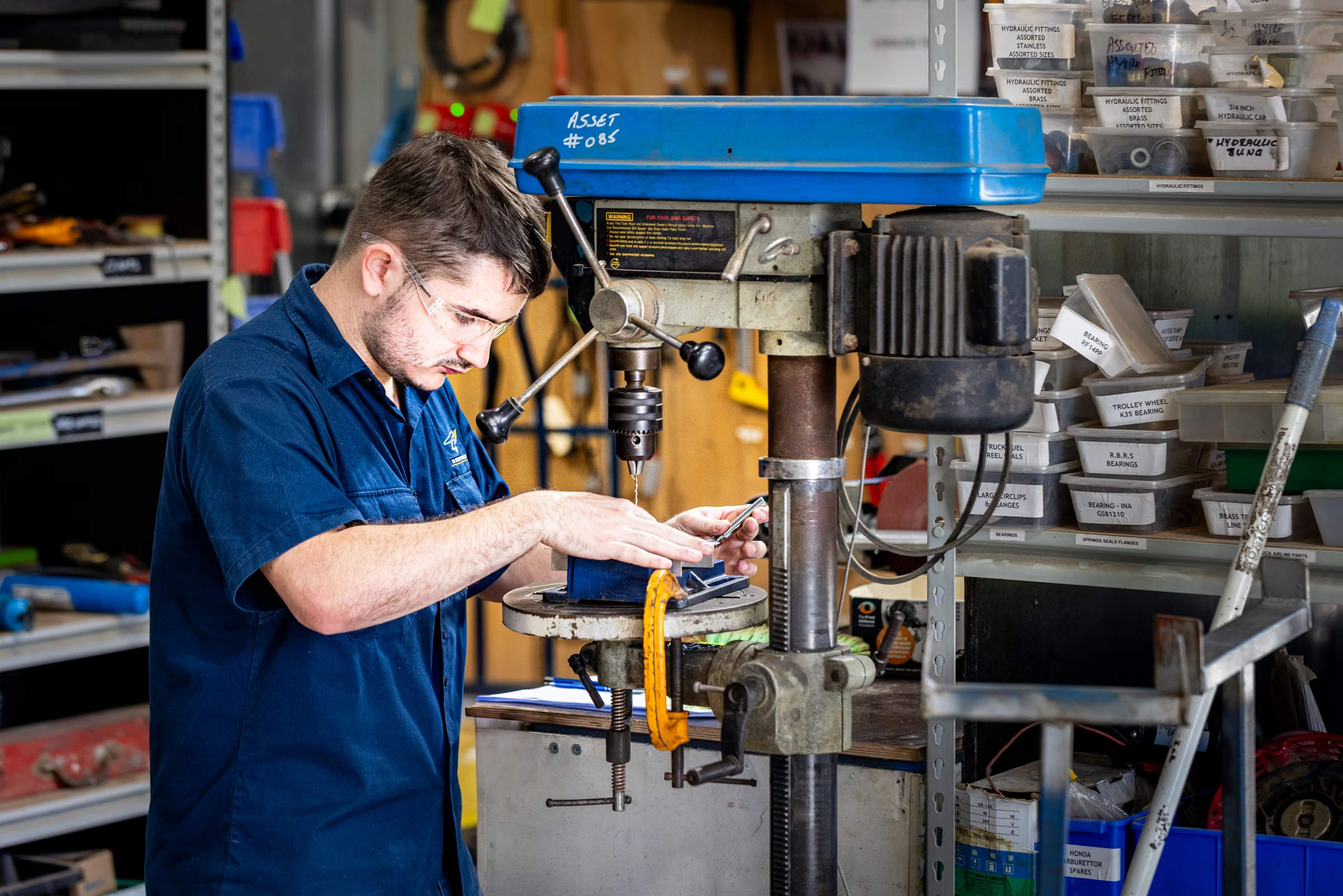
Your training plan connects learning to the work you do. Regular trainer visits, progress checks and contact with your supervisor help keep training moving and identify where you need more practice.
See workplace deliveryRPL starts with the evidence you already have. We map it to the relevant units, identify gaps and provide learning, feedback and assessment support. You have a clear plan and people to contact when you get stuck.
Our training & assessment standardsUnderstand the outcome
Aircraft maintenance engineering covers different trades and work settings. Your qualification stream, selected units and licence goal need to fit the work you intend to do.
Maintain aircraft structures, engines and mechanical systems. Where licensing is the goal, the B1 subcategory depends on the aircraft and engine type.
Work with electrical, instrument and communication systems. B2 is the CASA licence category associated with avionics maintenance.
Focus on aircraft structures and repair work. A structures trade qualification does not, by itself, grant a CASA maintenance engineer licence.
Aeroskills qualifications recognise vocational competence. A CASA Part 66 licence has separate knowledge, practical experience and application requirements. We help you plan the training relevant to your intended scope; CASA issues the licence. Read CASA’s guide to becoming a licensed aircraft maintenance engineer.
From major bases to remote hangars
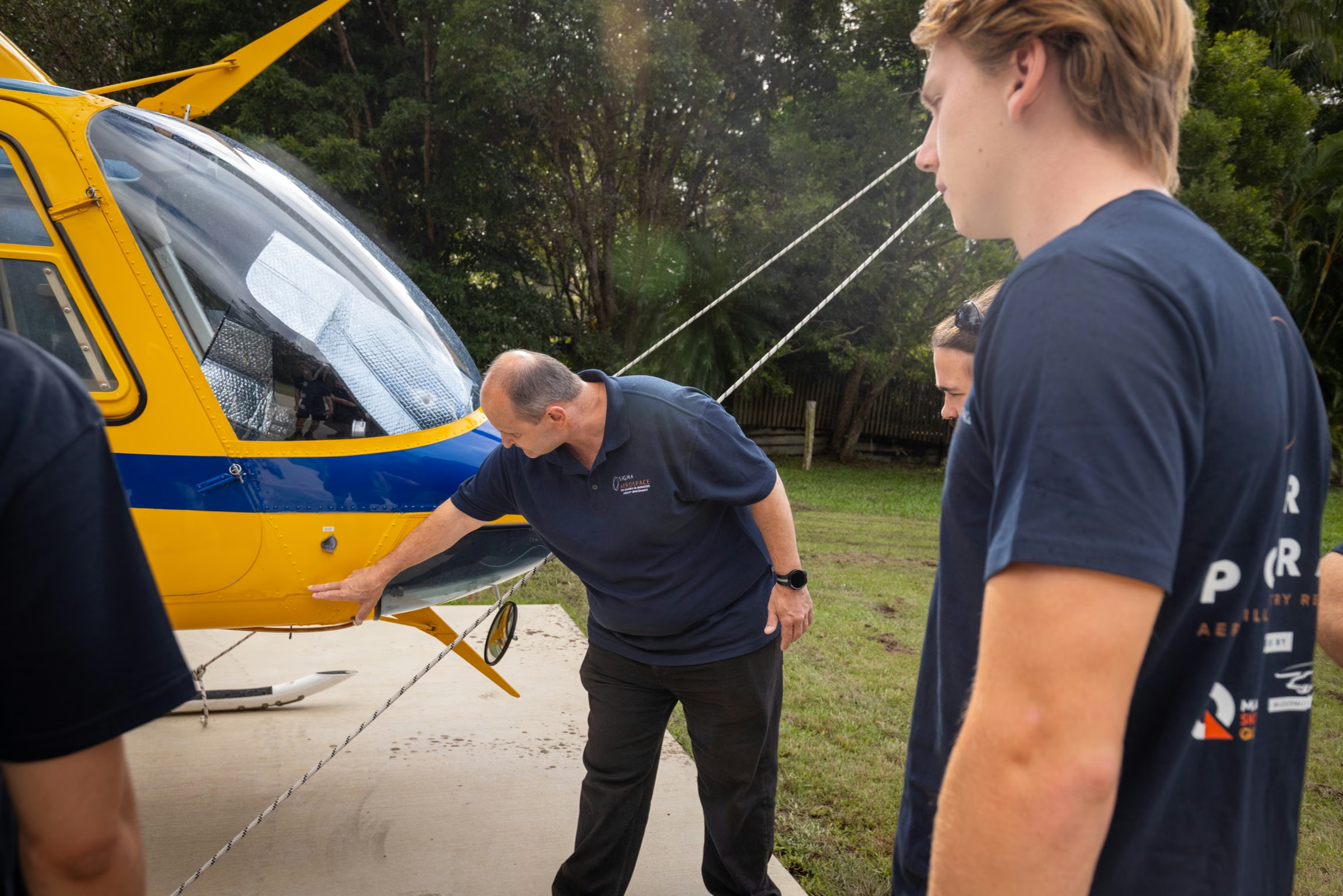
Where you work should not put you out of reach of good training. Sigma supports apprentices and working engineers around Australia, with regular apprentice workplace visits, online learning and direct contact with trainers and assessors.
We plan delivery around your location, aircraft, available tasks and facilities. Practical assessment still needs suitable evidence and access to the work required by your course.
Already trained overseas? See our international licence conversion and New Zealand TTMRA information.
Before you enrol
Get clear on the outcome, practical requirements, time and fees before choosing a course.
Talk through your optionsFor aircraft maintenance, an Aeroskills apprenticeship is a common starting point. You develop trade skills through employment, training and assessment. If you are already doing the work, RPL and gap training may be more suitable.
If you want to certify maintenance as a licensed aircraft maintenance engineer, you also need to meet the relevant CASA Part 66 requirements. Start with our career guide or licence pathway directory. Aircraft maintenance training is distinct from a university aerospace or aeronautical engineering degree.
A formal apprenticeship requires an employer and a training contract. If you are still looking for your first role, use our resume builder and guide to entering the industry. The five-week AIR program offers another introduction when a funded cohort is available.
Entry requirements for RPL, licence and type courses differ. Check the course record and speak with us about your experience, evidence and access to suitable maintenance work.
It depends on your starting point and intended outcome. An apprenticeship combines employment and training over several years. RPL and gap training depends on the evidence you can provide, the gaps identified and your access to the required tasks. Type courses have their own schedules.
A course duration and CASA’s practical experience requirement are separate things. We will discuss the training plan and remaining requirements with you before you commit.
Fees depend on the course, delivery mode, recognised prior learning and any funding eligibility. Check what is included in training, assessment, exams, materials and practical components, along with any travel or licensing application costs.
Employers can start with our fee-for-service training information or Queensland funded training information. For an individual RPL or licence pathway, ask us to review your starting point and provide a quote.
Sigma’s workplace delivery and RPL with gap training are designed for people who work. Online learning can support the knowledge component, with trainer contact and feedback along the way. Practical competence still needs to be demonstrated, and any required CASA exams must meet the applicable exam conditions.
Compare our study modes and supported Part 147 study with the CASA self-study pathway.
No. A qualification and a CASA licence are different outcomes. Your selected units, applicable knowledge exams, practical experience and licence application must meet the requirements for your intended category and scope. Not every diploma stream leads to the same licence outcome.
See our CASA aircraft engineer licence guide and Diploma of Aeroskills information before choosing your training.
Your next step
Experienced engineer? The fastest way to get your training moving is to apply for the course you need. Choose your course, apply online and follow the payment and enrolment steps.