The best people in
aircraft maintenance

Apprentice training for employers · Queensland

Apprentice training.Built for your hangar.

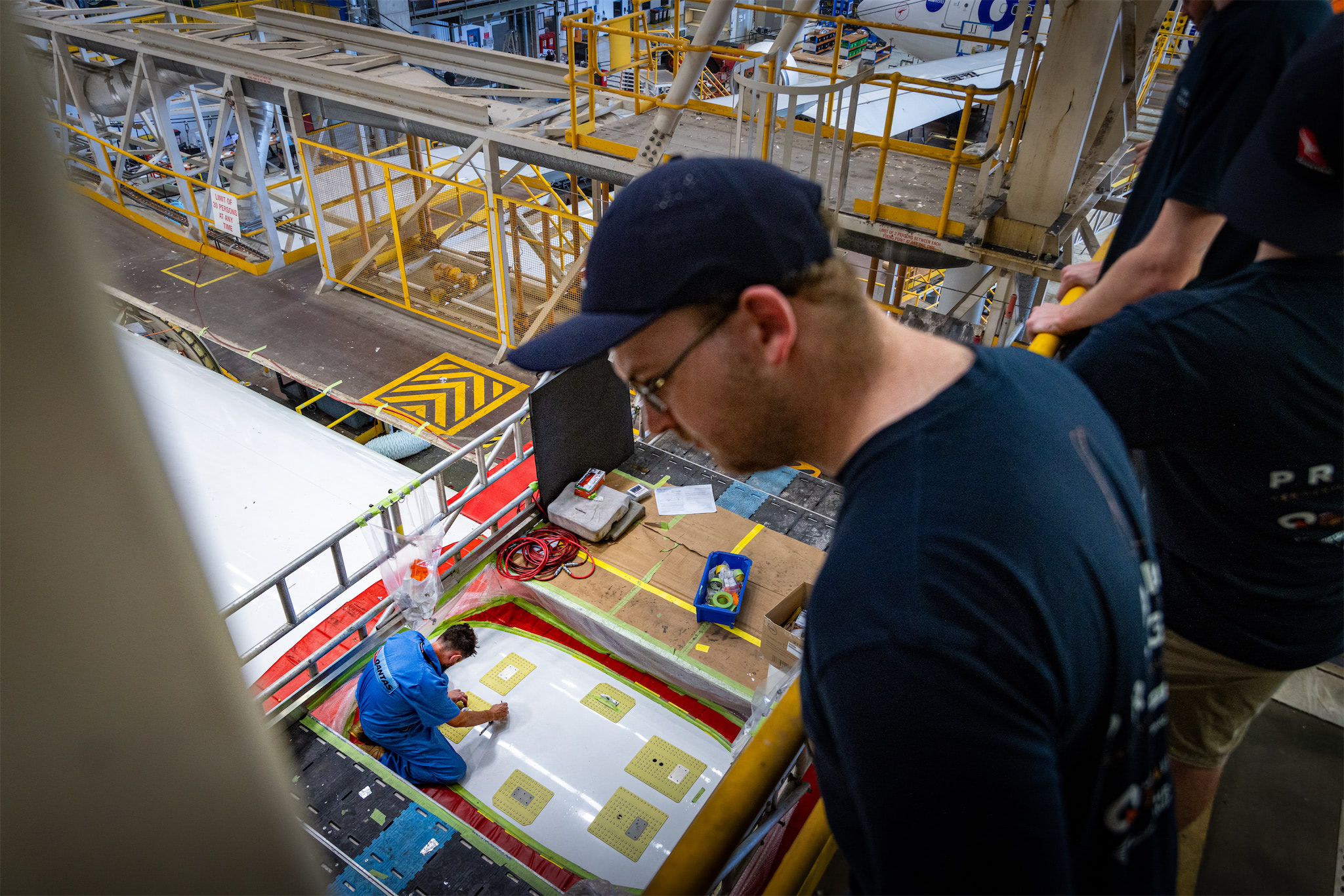
Choose Sigma Aerospace College as your supervising registered training organisation (SRTO). Queensland apprentices learn through real maintenance work, with structured resources, regular trainer contact and workplace visits.

A different way to train an apprentice

Apprentice training without
recurring block release.

Repeated block release means travel, accommodation and time away from your operation. Long classroom days can also make it harder for a new apprentice to connect the theory with the job. Sigma builds training around supervised workplace tasks, with structured learning and regular trainer support.

Keep training close to the work.

No mandatory recurring block release. Training is planned around the maintenance tasks and supervision available at your site.

Build understanding in smaller steps.

Guided reading, practice quizzes and structured evidence tasks help apprentices prepare, practise and ask better questions.

Know whether they are progressing.

Regular reviews show what is complete, what needs work and what evidence is still missing. Your supervisor has a trainer to call.

The job gives it context.

The learning still needs structure.

Your apprentice follows an individual Training Plan agreed with you and Sigma. Theory is sequenced around prerequisites and the work they need to learn, then applied to real maintenance tasks under qualified supervision.

Learner guides, practice quizzes, audio resources where available and clear evidence templates give them something useful to work through between trainer sessions.

Knowledge tasks, practical observation and a competency conversation establish competence. Your supervisor verifies workplace evidence; Sigma’s assessor makes the competency decision.
Support you can put in the diary

We turn up.
And we stay in touch.

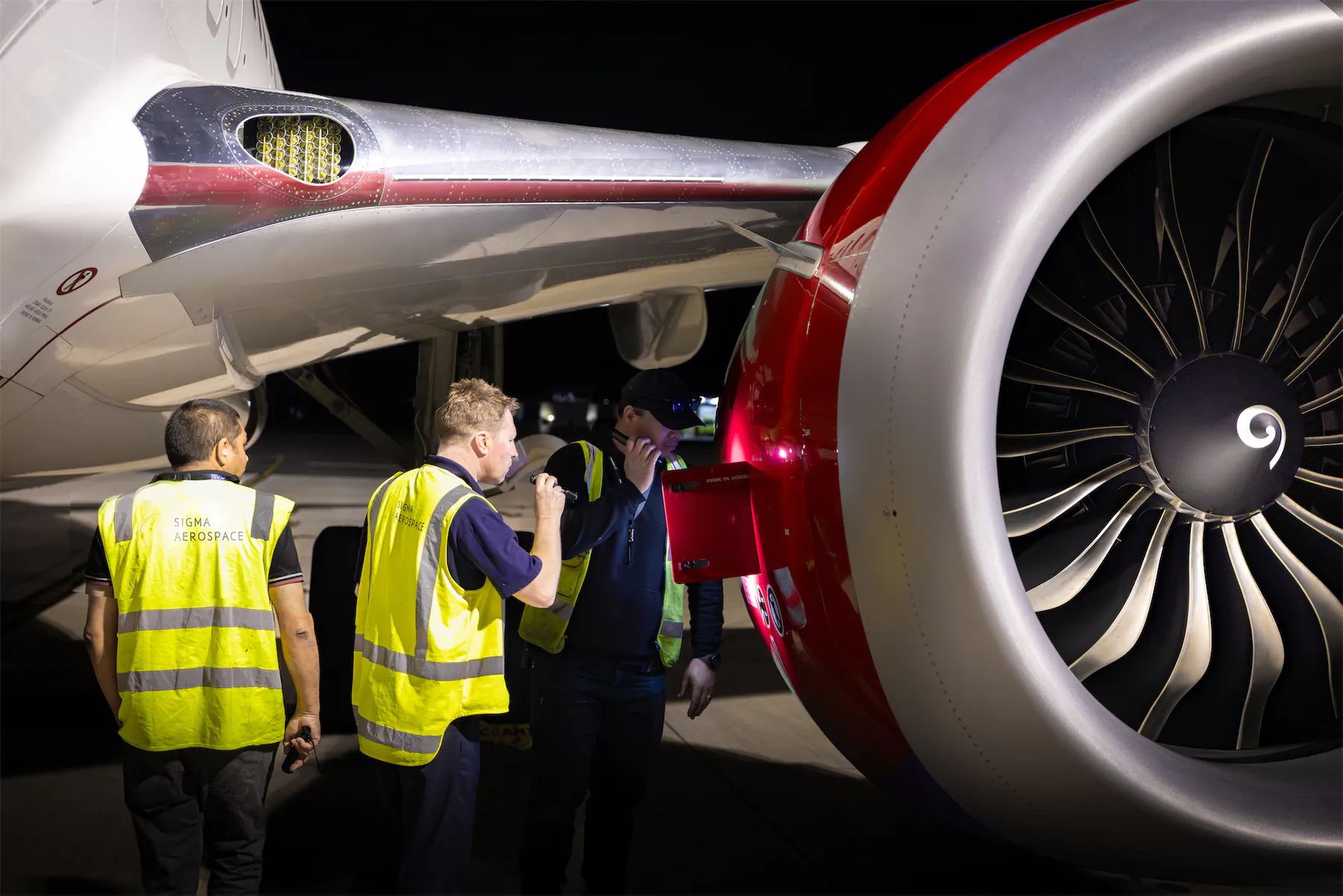
Your supervisor brings the aircraft knowledge and the day-to-day oversight. We bring the training structure, assessment and help when an apprentice gets stuck.

Fortnightly

Technical sessions

Toolbox discussions and live Q&A to work through the theory and questions arising on the job.

Monthly

One-to-one trainer review

A dedicated review of each apprentice’s learning, evidence and next steps, with targeted help where it is needed.

On site

Workplace visits

At least every 26 weeks. Four planned visits a year when you have three or more active learners at the same site. More where required. Standard trainer travel is included.

Every 3 months

Formal progress review

Training Record reviews at least every three months, employer updates and early attention to missing exposure, evidence or engagement.

Need help between reviews? Apprentices can contact us for technical guidance, tutoring and assessment clarification. We identify language, literacy, numeracy and digital support needs during onboarding.

B1.1 · B1.2 · B1.3 · B1.4 · B2

Every B-category stream.
One supported training model.

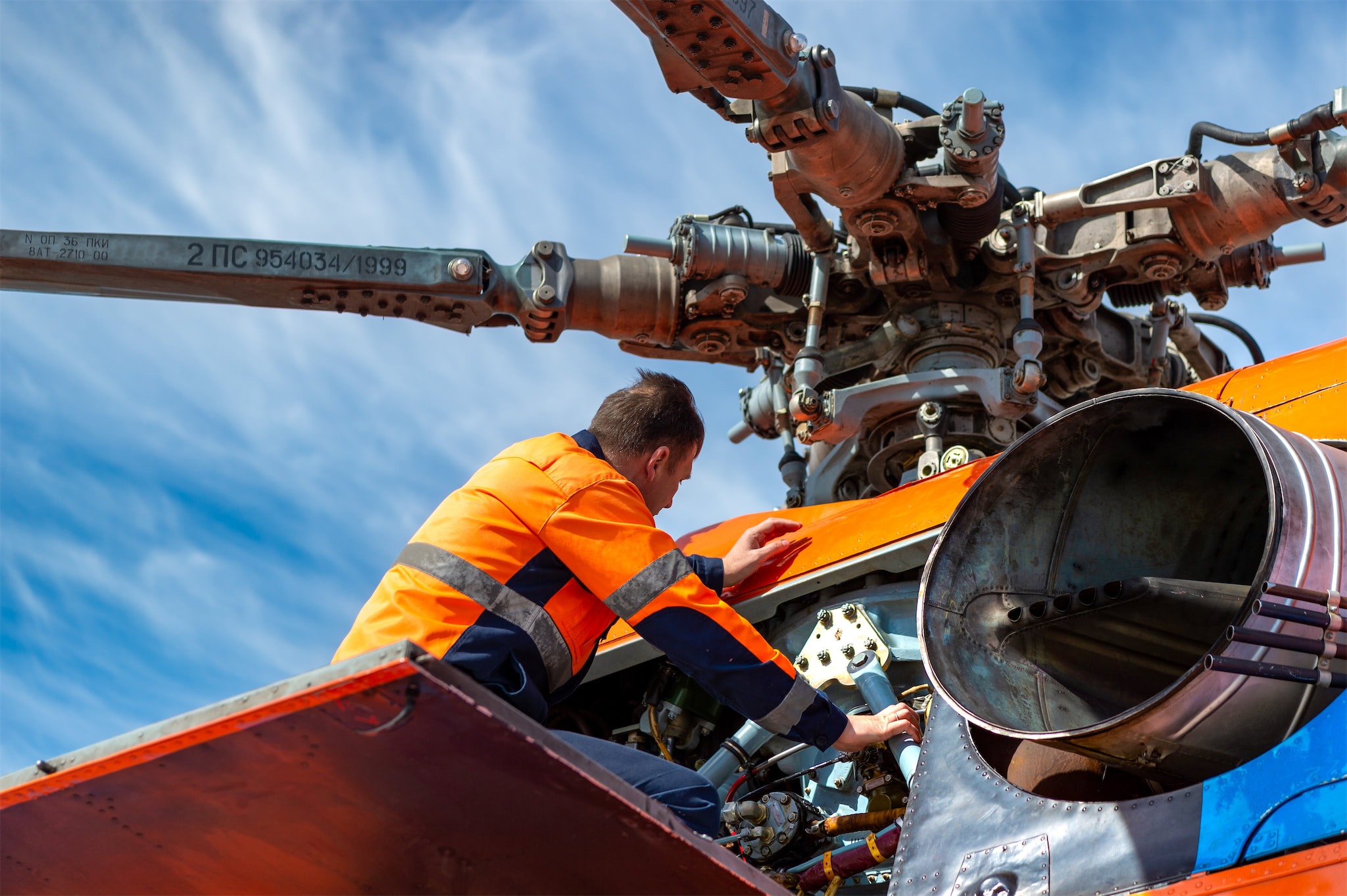
Fixed-wing or rotary. Piston or turbine. Mechanical or avionics. We support the underlying Aeroskills qualifications and category knowledge for all five B-category licence streams. The selected qualification, required units and workplace exposure are mapped into an individual Training Plan. This is category-level training; aircraft type training is a separate course.

B1.1 · Fixed wing turbine
B1.3 · Rotary turbine
B1.2 · Fixed wing piston
B1.4 · Rotary piston

B2 · Avionics — supported across fixed-wing and rotary-wing qualification streams.

A plan with an outcome

Help them progress.
Keep the standard.

Set the intended outcome at the start. We review the tasks, evidence and prerequisites needed to get there, and deal with gaps while there is time to do something about them.

Certificate IV

Build the trade foundation through mechanical or avionics training and assessed practical competence.

Indicative learning: 18–24 months.

Diploma

Develop the higher-level Aeroskills knowledge and units required for the chosen mechanical or avionics pathway.

Indicative Diploma/licence pathway: 36–48 months overall.

Licence pathway

Optional CASA module preparation and examinations can sit alongside the Diploma pathway. The exam component is priced separately.

B1.1 · B1.2 · B1.3 · B1.4 · B2

These are planning estimates, not completion guarantees. Progress depends on competence, task exposure and evidence. Training contract terms are agreed separately (the Queensland nominal contract term is 48 months). A qualification, apprenticeship completion and a CASA licence are separate outcomes. CASA determines licence issue, including its practical experience requirements.

Queensland · Career Boost

Check the funding.
Then know the cost.

Eligible Queensland apprentices and trainees may access Career Boost funding. We check each learner’s eligibility and training history before confirming the offer.

Full funding information

Read the full Queensland SAS funding details

The fees below are a summary. Our SAS funding page sets out qualification-by-qualification fees, eligibility, concessions and exemptions, payment arrangements and approved delivery locations.

Selected qualificationStandard co-contribution feeConcession co-contribution fee
Certificate IV$880–$2,512$352–$1,004.80
Diploma$3,304–$4,736$1,321.60–$1,894.40

Ranges cover the qualification streams in the employer guide, including workshop component streams. For aircraft maintenance Certificate IV streams, standard co-contributions start at $2,160. The exact amount depends on the qualification, stream and confirmed credit.

Concessions & exemptions

Eligible concession/partial-exemption learners pay 40% of the standard co-contribution. A verified full exemption reduces the co-contribution to $0. Eligibility must be confirmed.

Additional unit tuition covered

Sigma’s College scholarship covers additional unit tuition outside the Queensland funded scope. It does not cover the student co-contribution.

Considering the licence option?

Optional CASA licence examinations are $2,800 per learner for the selected licence option. Resits, CASA application and licence fees, type training and other extras are outside this offer.

Fees in AUD, from the October 2026 employer guide. Your written pre-enrolment quotation confirms eligibility, approved credit, any applicable GST and the final payable amount. Do not add the full Certificate IV price to the full Diploma price; we review previous units and the remaining scope first.

Already with another RTO?

Start with what they have completed.

Send us the apprentice’s statements of attainment, transcript, training record and relevant exam results. We review completed units for credit, valid exams and any RPL evidence, then set out the remaining training and the fees in an individual offer.

We help with the change-of-RTO paperwork through your Apprentice Connect Australia Provider. You will know what is recognised and what still needs to be done before deciding to move.

Discuss a transfer

College learner feedback

Support makes a difference.

Feedback from engineers who have trained with Sigma, including RPL and licensing pathways.

The additional support provided in this course was vastly better than I’ve experienced before. The RPL guidance, practice quizzes, clear email communication, and exam instructions all made the process smooth and stress-free.

Ryan · TP Aerospace

I was impressed by the willingness of the Sigma staff to help find ways to [help]. Also, I much appreciated being able to ring them whenever I had a question. It was way better than my experience with another MTO I worked with before.

Philemon · Mission Aviation Fellowship

The practical questions

Before you choose an SRTO.

Does workplace delivery mean no time set aside for study?

No. Apprentices still need protected time for learning, live sessions and assessment. The difference is that recurring block release is not mandatory. We agree a Training Plan that works with your roster and the required learning.

What does the employer need to provide?

Qualified supervision, suitable maintenance tasks, current maintenance data, safe facilities and equipment, and time for training and assessment. We assess the workplace resources with you and identify gaps before training starts.

What if our work does not cover every required task?

We identify the missing task exposure against the selected units and agree how it will be addressed. We do not sign off competence simply because time has passed.

Can we move an apprentice who has already started elsewhere?

Yes, subject to review and the training-contract arrangements. We check the existing records, recognise valid completed equivalent units and issue a remaining-scope offer. The transfer and any RPL are assessed individually.

Can an apprentice finish earlier than the contract’s nominal term?

The Training Plan aims for efficient progression as competence is demonstrated. Completion depends on the learner meeting all requirements and the applicable training-contract process; it is not guaranteed by a calendar date.

Is the employer guide a quote?

It explains the model and indicative fees. The proposal has a stated offer period. We confirm the current terms, learner eligibility, credit and training scope in a written offer before enrolment.

Tell us about
your operation.

Let’s work out the right training plan.

Tell us your location, aircraft or component environment, apprentice numbers and whether they are new starters or transferring. We’ll work through the training outcome, supervision, site visits and funding eligibility. Then you can decide whether Sigma is the right fit.

Enquire about apprentice training

Download the employer guide

(02) 6760 7644
training@sigma.edu.au

Employing apprentices outside Queensland?