
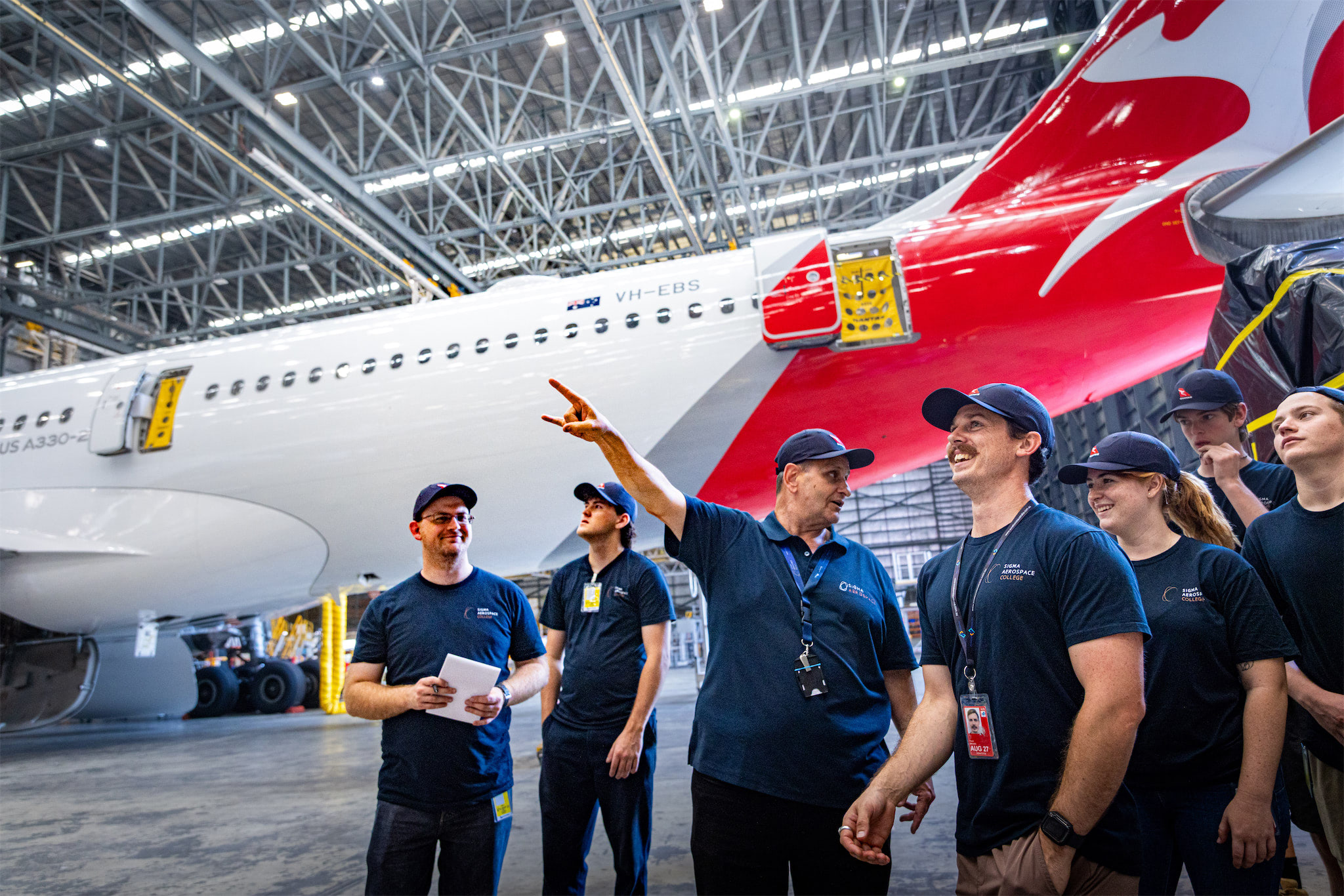
Aircraft maintenance careers
Aircraft maintenance careers.Your first step after school.
You do not need aircraft experience to start showing an employer how you work. Build a useful resume, approach maintenance businesses and prepare for a trade assistant or apprenticeship opportunity.
From school to the hangar
Make it easy for an employer to see your potential.
01 · Understand the work
Aircraft maintenance involves careful practical work, controlled instructions, records and teamwork. Read about mechanical, avionics and structures before choosing a stream.
02 · Prepare your evidence
List school subjects, practical projects, part-time work, volunteering and examples of reliability. Be specific about what you did, the tools used and how you worked safely.
03 · Build your resume
Use Sigma’s guided resume and candidate profile tool to organise your experience and prepare a PDF to upload. Allow about 35–50 minutes.
04 · Approach businesses
With your resume ready, approach operators and maintenance organisations about trade assistant (TA), apprentice or suitable entry-level opportunities.
Prepare before you apply
Show what you can bring to the hangar.
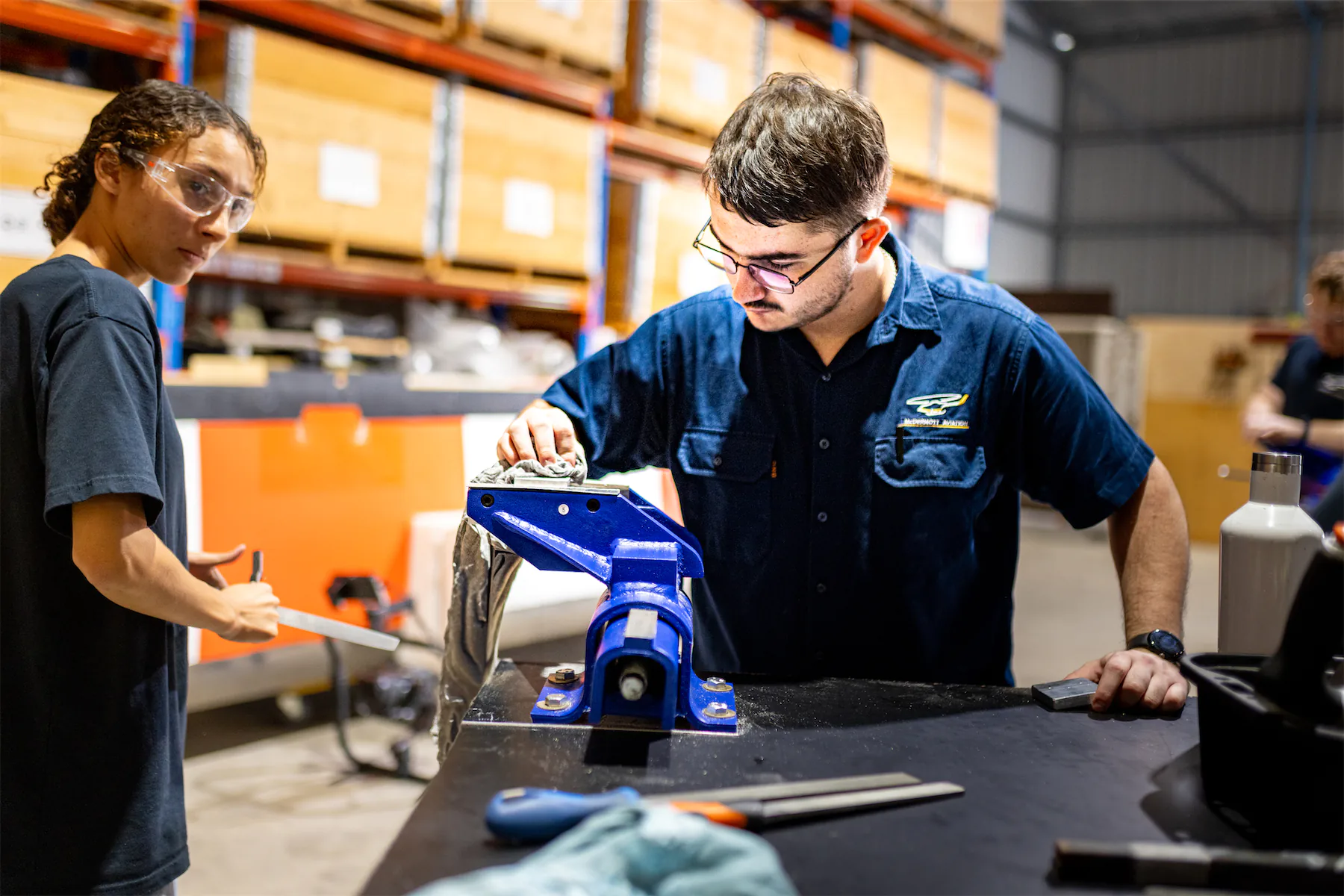
You may not have aircraft experience yet. You can still show that you turn up, follow instructions, work safely and finish a task properly. School projects, practical hobbies and part-time work all give you something useful to explain.
Our guided tool helps you organise that evidence and build a candidate profile. Prepare your PDF resume, then upload it with the profile. The tool guides the content; it does not automatically generate the PDF.
Build your industry connections
Start a conversation with an employer.
Here are some well-regarded Australian aircraft operators and MROs whose teams have trained with Sigma. Once your resume is ready, approach employers about trade assistant or apprenticeship opportunities.
Keep your introduction short: where you are based, when you can start and the work you are interested in. Follow each employer’s application process. The companies shown are useful starting points, not a list of current vacancies.


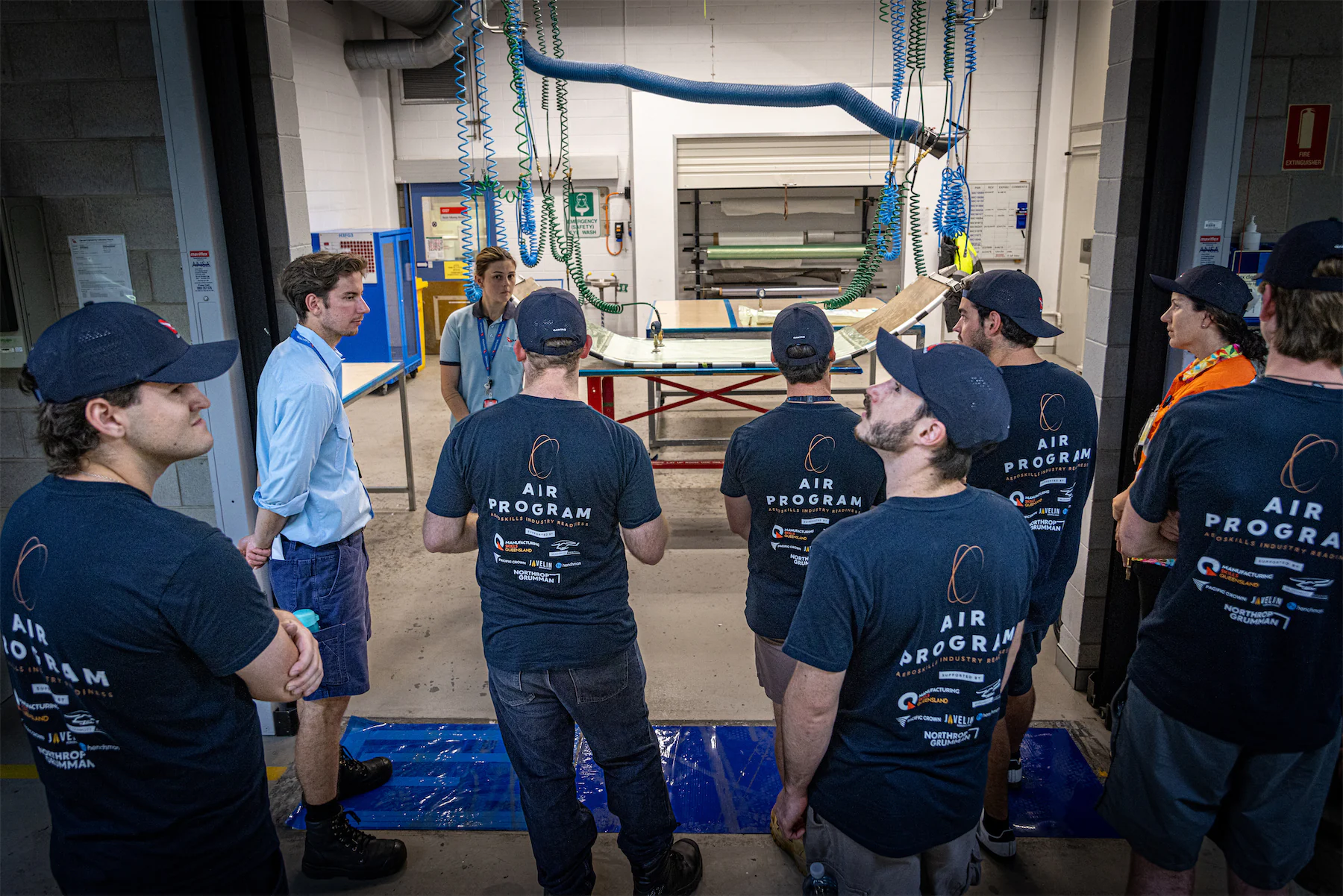
From first role to qualified trade
Your first job.
Your next steps.
01
Get a start
A trade assistant role can help you learn the workplace and show you are reliable. It is not automatically an apprenticeship.
02
Make it an apprenticeship
You need an employer, a training contract and the relevant qualification. Agree how the work, supervision and training will fit together.
03
Build from the trade
Certificate IV develops trade competence. Diploma and CASA licensing pathways can follow, depending on your work and goals. A trade qualification does not itself issue a licence.
Your training provider
Choose training that stays connected to your work.
When you secure an employer, talk with them about Sigma as your training provider. Our workplace approach combines structured learning, supervised practice, regular trainer visits and support for you and your supervisor. You build evidence from suitable work, with learning connected to the hangar.
We visit apprentices regularly across Australia, including remote workplaces. Your employer and Sigma agree on the training plan, access to tasks and assessment arrangements.
Make your next step count
Keep preparing.
Build your application, understand the trade and work out where you want to go next.

Your application
Show what you can do.
Turn school projects, practical interests and work experience into a useful resume and candidate profile.
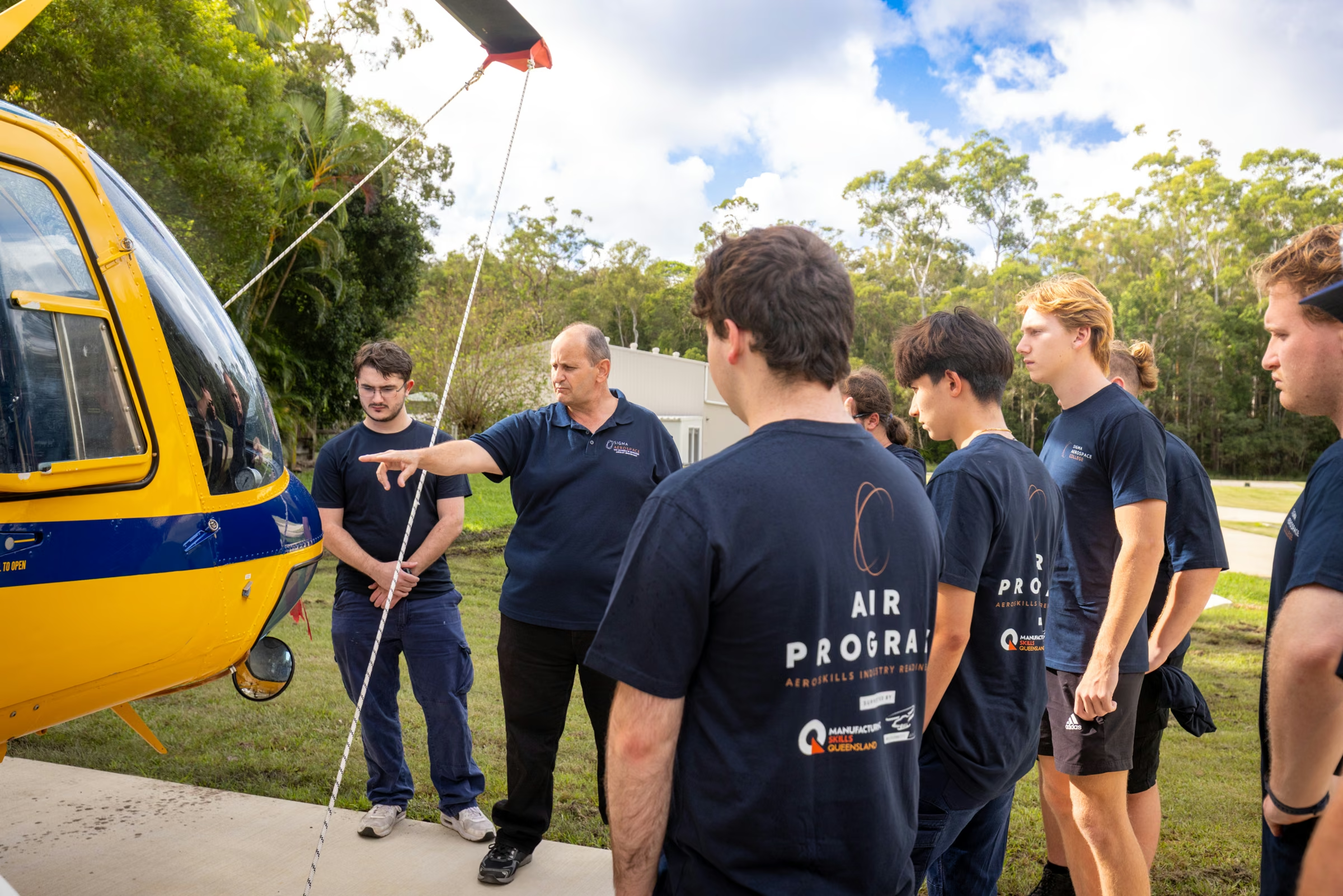
Your first role
Understand an apprenticeship.
Learn how the employer, training contract and qualification fit together.
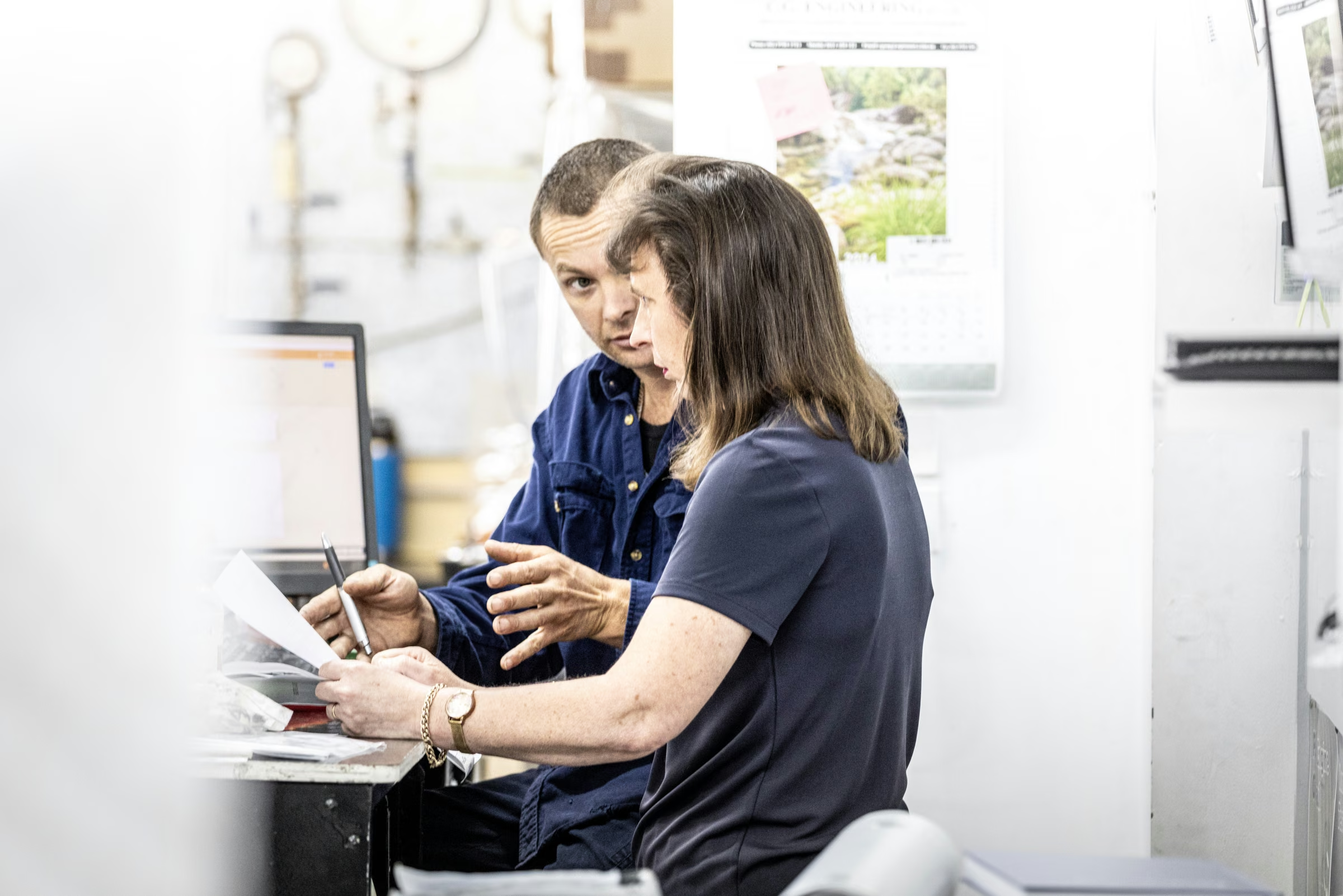
Your trade
Find the work that suits you.
Compare mechanical, avionics and structures, and aircraft versus component maintenance.
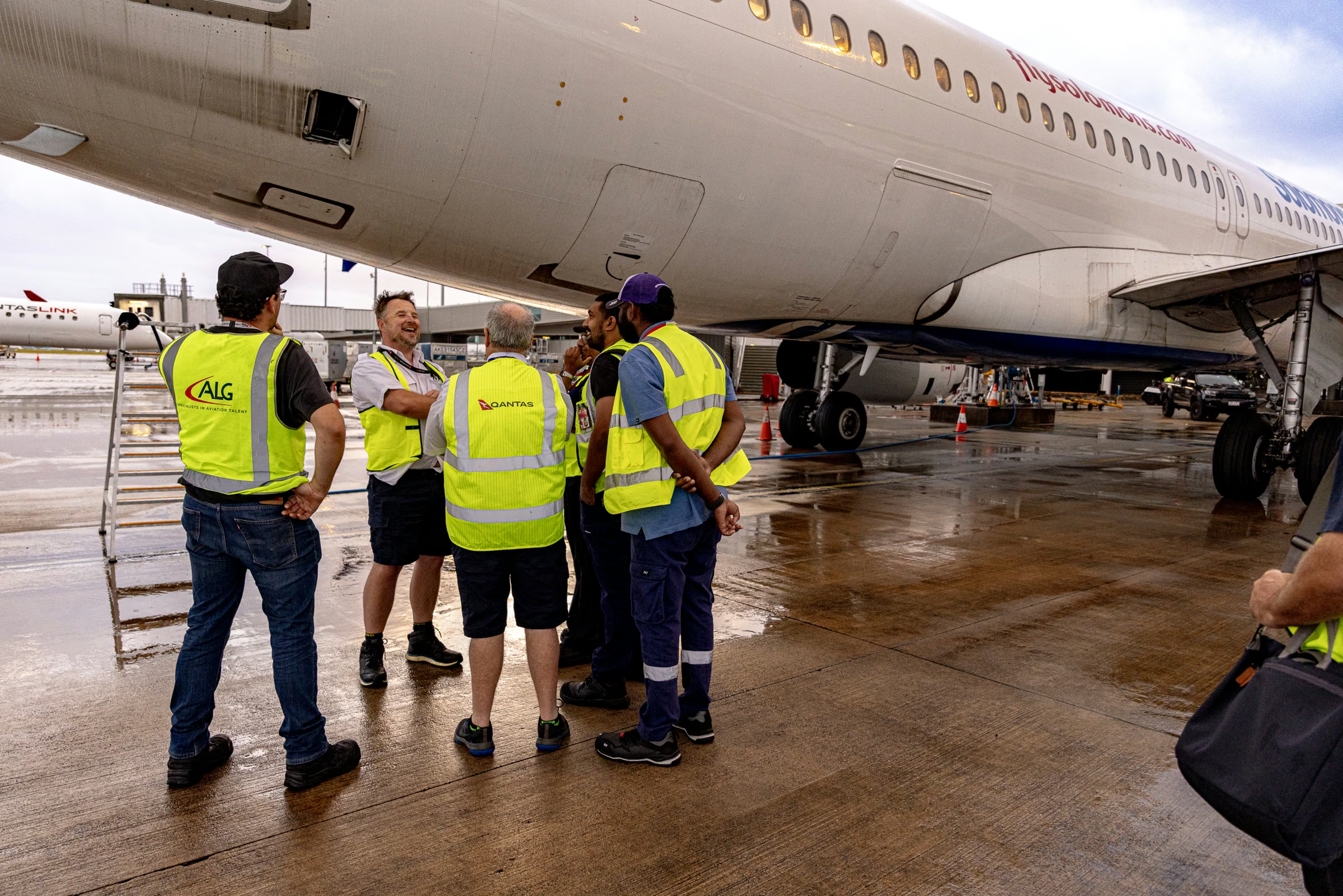
Your next goal
See where training can lead.
Find the information for trade qualifications, CASA licensing and later specialisation.
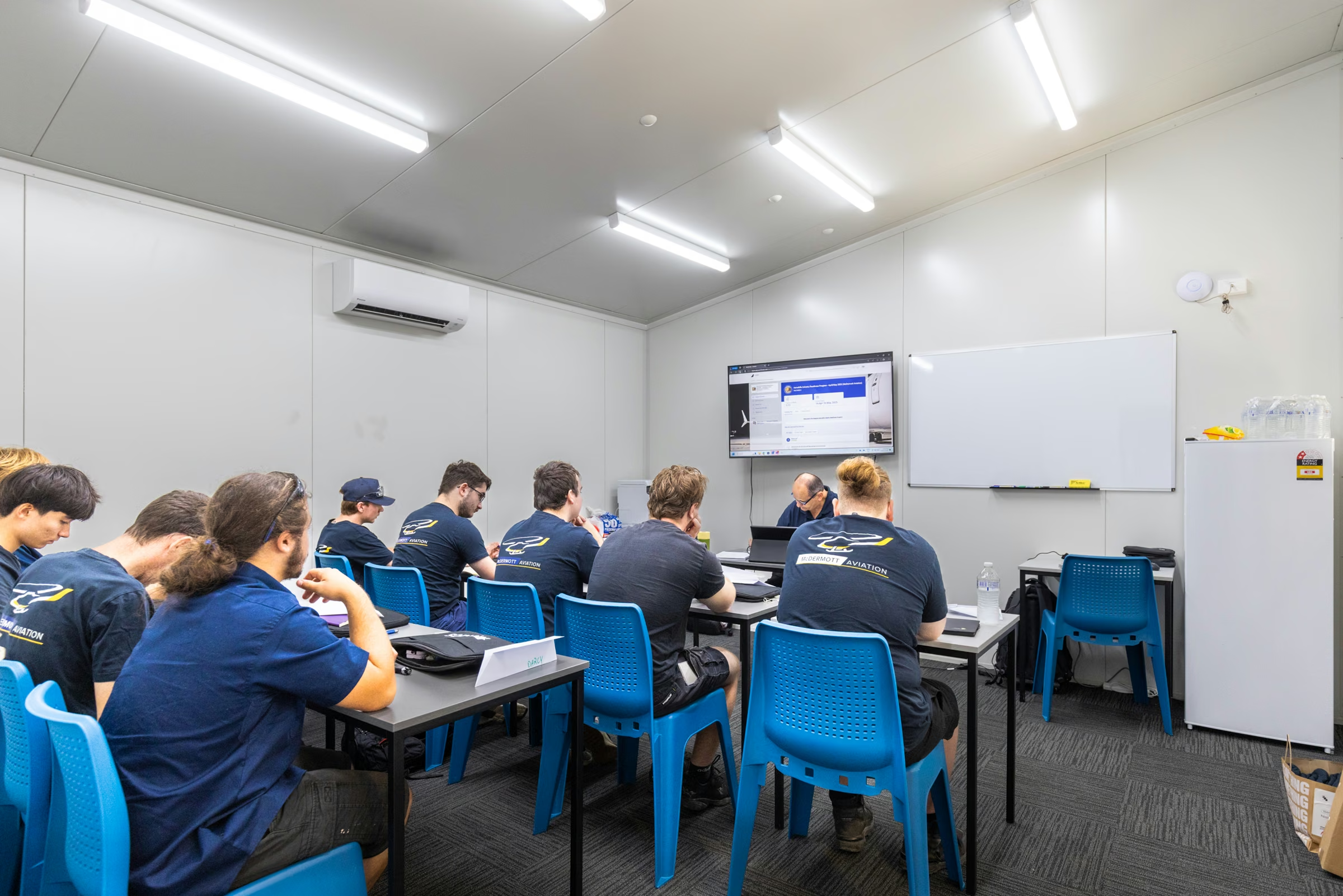
Your questions
Get the basics straight.
Use our Knowledgebase to understand the terms and requirements you will hear in the industry.
Give employers something useful to read.
Your practical interests, school projects and work experience all count. Use our resume tool to put them into a clear, honest profile.