Study with Sigma Aerospace CollegeStudy Modes (RPL, Workplace, Face-to-Face)Workplace Delivery (Apprenticeships and traineeships)

Workplace DElivery

Training in
Your Workplace.

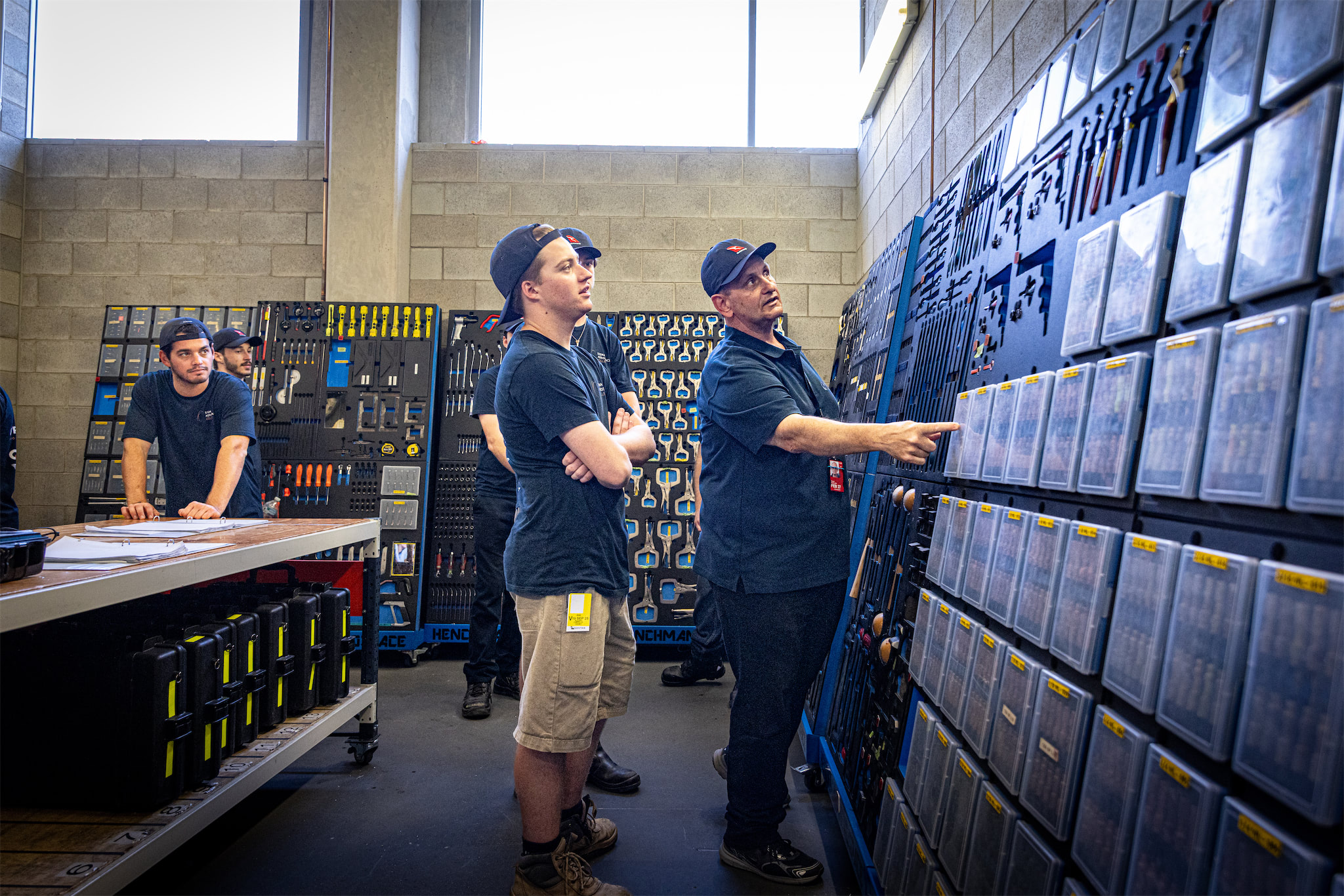
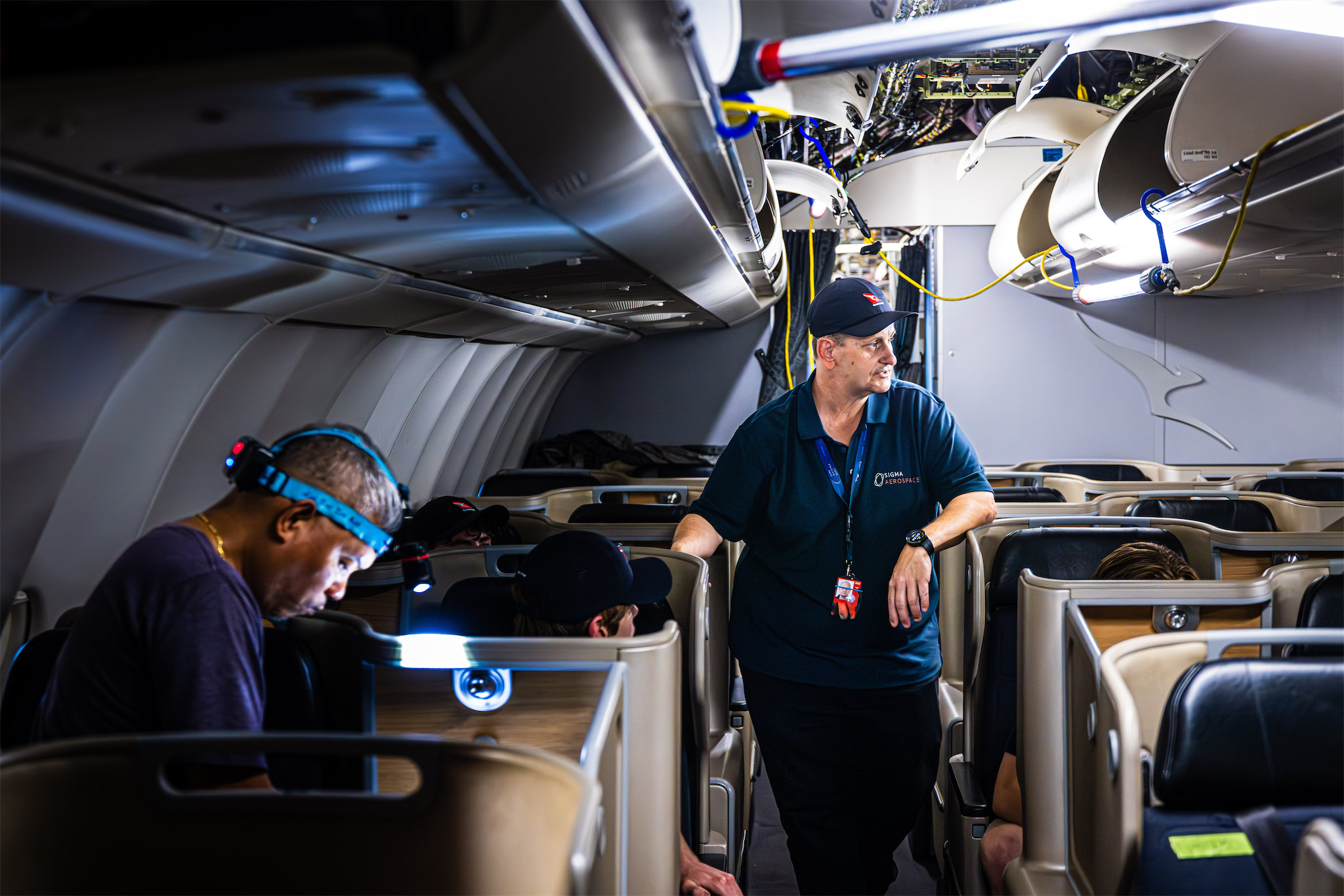
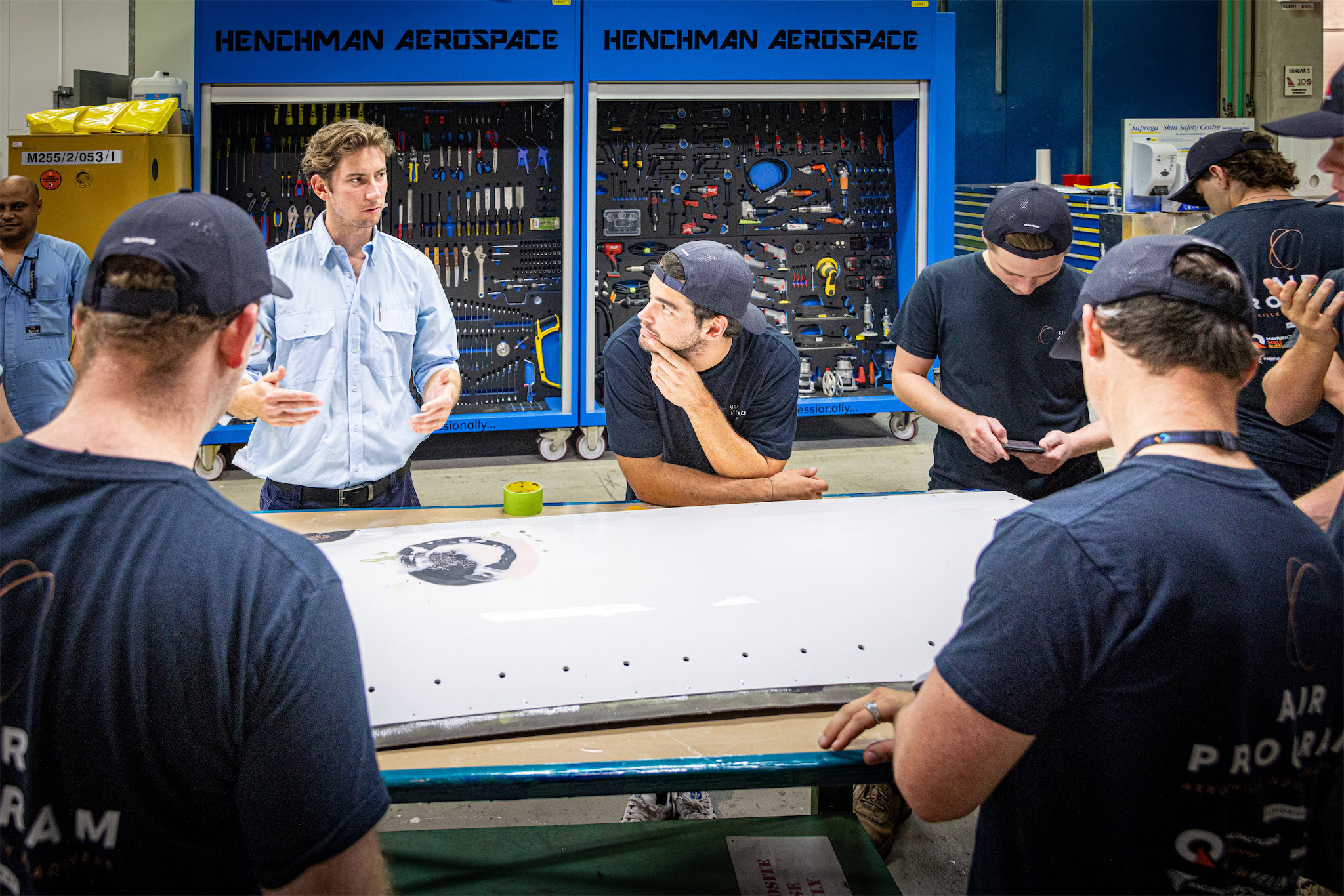
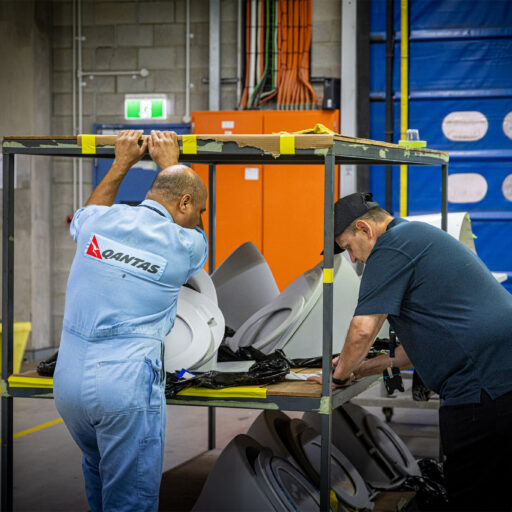
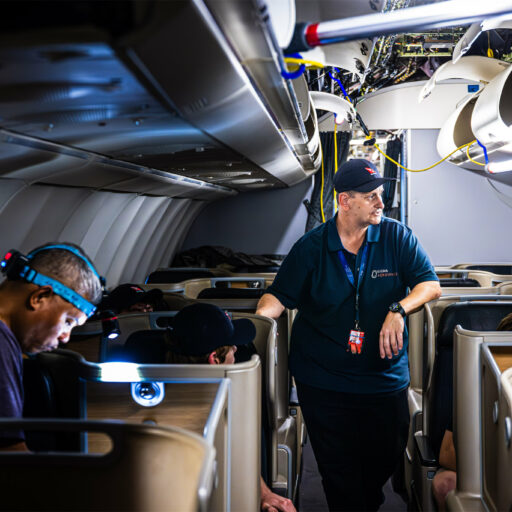
Earn your Aeroskills qualification while working on live aircraft. Our workplace delivery model combines online theory, supervised practical training at your AMO/MRO, and assessment built from real maintenance evidence.
It’s structured, traceable, and designed for apprentices and trainees.

Workplace delivery

Training built around real maintenance

An apprenticeship or traineeship should produce an engineer you’d trust on a shift, not just a folder of paperwork. We run workplace delivery with a documented training plan, regular trainer contact, and evidence-based assessment that covers the full unit scope.

Training plan, not a timetable

Every learner runs to a structured training plan: unit sequencing, evidence requirements, milestone checkpoints, and planned trainer engagement. It keeps expectations clear for the apprentice, the supervisor, and the business.

Learning built for rosters

Online theory is delivered with structured unit resources, fortnightly toolbox sessions with live Q&A, and monthly 1:1 check-ins. The goal is steady progression without block release disruption.

Competence you can defend

We sign off only when we have enough evidence to cover 100% of the unit requirements. Knowledge is assessed for the unit, performance is verified in the workplace, and competency is confirmed through structured technical questioning where needed.

How workplace delivery works

Plan the pathway. Train in context. Prove competence.

We start by confirming your workplace access, nominated supervisor, and the qualification stream you’re working towards. From there, we issue a documented training plan that sets what gets trained when, what evidence is required, and how progress will be reviewed.

Each unit follows the same pattern: self-study resources, scheduled support, knowledge assessment, workplace task evidence, and final verification before sign-off. Progress is driven by competence and exposure, not time served.

If your current line or hangar can’t provide the system exposure needed for a unit, we don’t “tick it off anyway”. We identify the gap early and agree a plan to close it before competence is granted.

No surprises at the end. You can see what “done” looks like from day one.

Definitely I would recommend them. I only have good things to say about Sigma.
Very good practice quizzes, and training materials were spot on; the online portal is very user friendly and makes everything so much better for students. Definitely I would recommend them. I only have good things to say about Sigma.
Dominic – Qantaslink

Support cadence that prevents silent drift

Regular contact. Clear milestones. Minimal admin.

Fortnightly toolbox sessions keep the high-frequency concepts tight across a dispersed workforce. They’re built for real hangar questions: defects you’re seeing, decisions you’re making, and the “why” behind the book answer.

Monthly 1:1 online check-ins keep progression controlled and visible. We use them to review what’s been completed, confirm what evidence is still required, and unblock issues early. We also conduct workplace visits at least every 26 weeks to support learners and supervisors, review logbooks, and conduct observations where required.

Enough structure to stay on track, without turning training into the job.

Enquire about workplace delivery

Assessment and evidence in the workplace

Multiple evidence points. One competence decision. No shortcuts.

Knowledge assessments cover the whole unit
Unit knowledge is assessed across the full scope, using structured tasks (for example MCQ, short answer, matching, scenario questions). This is a competent/not-yet-competent decision, not a percentage pass. If you’re also on a licensing pathway, the CASA module exams sit separately later as a regulator sampling exam. They are not used as a shortcut for unit competence. Which 50% of the job are you comfortable with an apprentice not knowing?
Supervisor checklists and logbook evidence
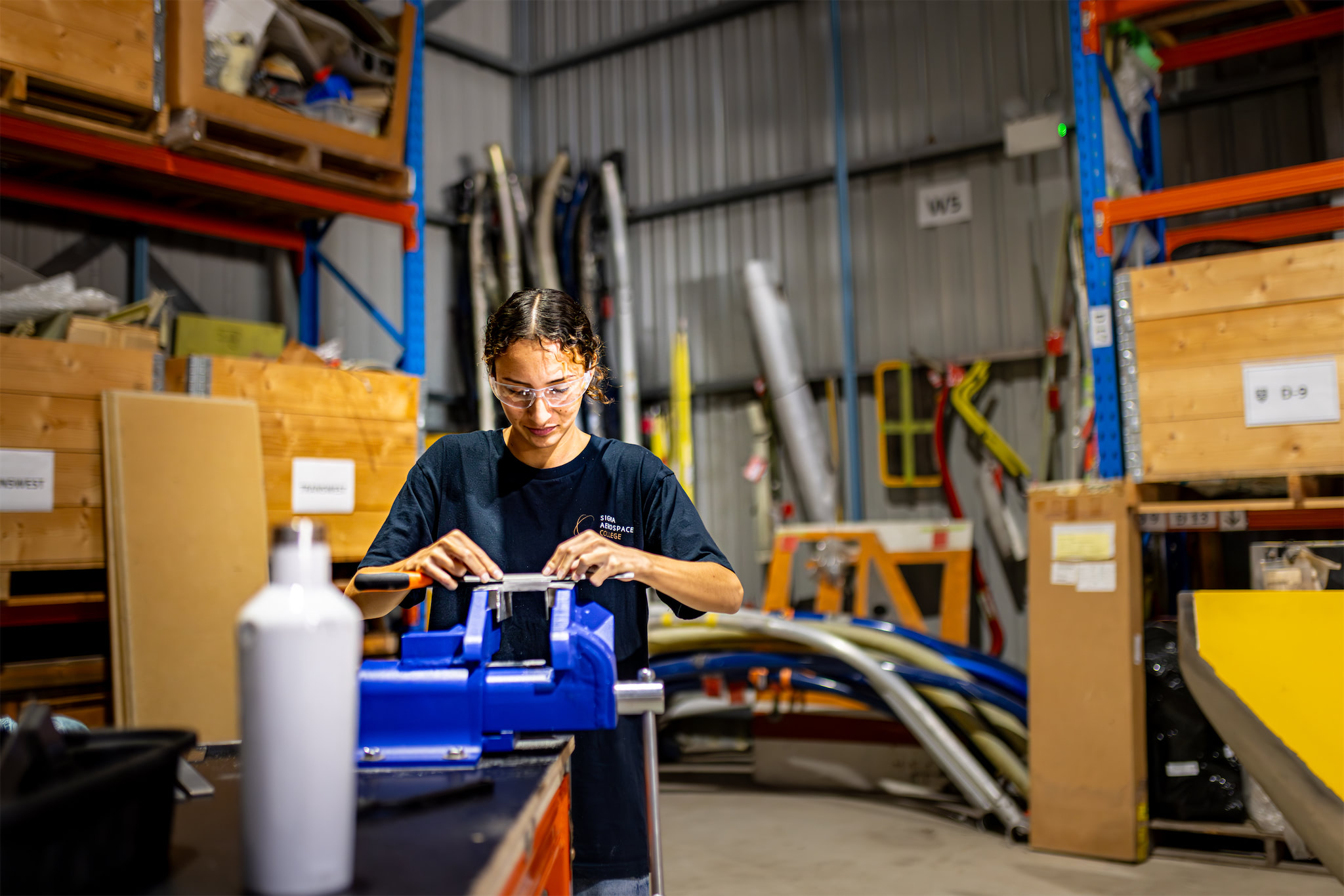
Practical performance is evidenced through supervisor-verified checklists that cover all unit criteria, plus logbook/journal entries and supporting task records. Evidence is drawn from real maintenance output, not simulated busywork.
Competency conversations
Competency conversations are structured technical interviews used to confirm reasoning and authenticity. They test whether the apprentice can explain system function, limits, hazards, and fault logic, not just repeat a procedure.
Verification of authenticity and exposure
We verify evidence through supervisor attestations, cross-checking against maintenance records where relevant, structured oral questioning, and direct observation during site visits when required. Assessors also monitor breadth of exposure across system categories and delay sign-off if exposure is incomplete.
Who makes the competence decision?
Workplace supervisors confirm tasks performed. Final competence judgements are made by qualified Sigma Aerospace College assessors. That separation protects independence and keeps the assessment defensible.

Licence pathway: build it properly

Trade qualification first. Part 66 licence next.

An apprenticeship or traineeship delivers an AQF qualification. A Part 66 licence is a separate outcome. It requires the relevant knowledge modules (CASA exams), documented practical experience, and an application to the regulator.

If your goal includes licensing, we plan for it upfront so you’re not guessing later. We assess unit competence first, then schedule the CASA module exams as a separate regulator exam under approved conditions (including online invigilation where applicable). That sequencing matters: competence is proven through full unit coverage and workplace evidence, then confirmed through the licensing exam framework.

One pathway. Two outcomes. No shortcuts and no double handling.

Licence Courses
This training was better than expected and definitely one of the best I’ve [experienced]
The instructor genuinely cared and was very engaged throughout the course. They explained concepts clearly, encouraged participation, and supported my learning. This training was better than expected and definitely one of the best I’ve [experienced]. The content was clear, the instructor was engaging, and the overall support made the experience very positive.
Ryan – TP Aerospace

Choose your qualification stream

Workplace delivery is available across these Aeroskills qualifications. Select a stream to see entry requirements, duration, and fees.

Explore Trade Qualifications

Each unit contains its own dedicated area for documentation submission, along with clearly defined competency expectations.
I would confidently recommend Sigma to colleagues and industry peers. What stood out most was the structured and modular organisation of the course. Each unit contained its own dedicated area for documentation submission, along with clearly defined competency expectations. This eliminated the need to navigate through multiple general resource folders or search across numerous PDFs to understand requirements. The precision of the task descriptions and document allocation significantly reduced ambiguity, streamlined preparation time, and minimised unnecessary rework. The overall structure reflected strong process design and respect for the candidate’s time.
Rodrigo Sestrem

Eligibility and employer requirements

Workplace delivery relies on access, supervision, and evidence.

Do I need to be employed to enrol?
Yes. Workplace delivery requires ongoing access to an operational aircraft maintenance environment, an employer-supported training arrangement, and a nominated supervisor who can verify task evidence.
What does the employer need to provide?
A workplace supervisor, access to suitable maintenance tasks aligned to the qualification, and support for scheduled check-ins and periodic workplace visits. The supervisor verifies tasks. The College controls assessment design and makes the final competence decision.
What if we don’t have exposure to certain systems?
We identify exposure gaps early. If the workplace can’t provide the required task categories, we work with you and the employer on an action plan. Sign-off is delayed until exposure is complete.
How long does it take?
The nominal duration is three years for an apprenticeship, but remember progression is competency-based, so it can be shorter if evidence supports it (we list minimum durations on each course page). If you need longer, extensions and additional fees may apply, and periods of inactivity trigger a progression review.
Can prior experience count during an apprenticeship?
Yes. If you have prior aircraft maintenance experience and acceptable evidence, we can assess recognition for relevant units. Recognition is still an assessment process against the full unit requirements.
Want a workplace apprenticeship program that stands up in the hangar?
Tell us your stream, location, and licence intent. We’ll confirm the right pathway and what evidence you’ll need from day one.
ENQUIRE NOW