Aircraft engineering Course Terminology can be confusing.
When you’re looking to study aircraft engineering, it can be confusing because different industries use that phrase to mean several different things.
Some mean a university aerospace or aeronautical engineering degree. Some mean an aircraft maintenance engineer training path. Some mean a mechanic-style course because they have seen US terms like A&P. Those are not the same pathway.
At Sigma Aerospace College, we deal with this confusion every week. The right answer depends on what you actually want to do at work.
If you want to design aircraft, that is one path
Aerospace engineering is not aircraft engineering; think ‘design’ versus ‘fix’
If your goal is engineering design, analysis, structures design, systems design or broader university engineering work, you are looking at a higher education engineering pathway. That is not what we do, and it is not the same thing as becoming a certifying aircraft maintenance engineer under CASR Part 66.
If you want to maintain aircraft, that is a different path – and that’s what we can help with
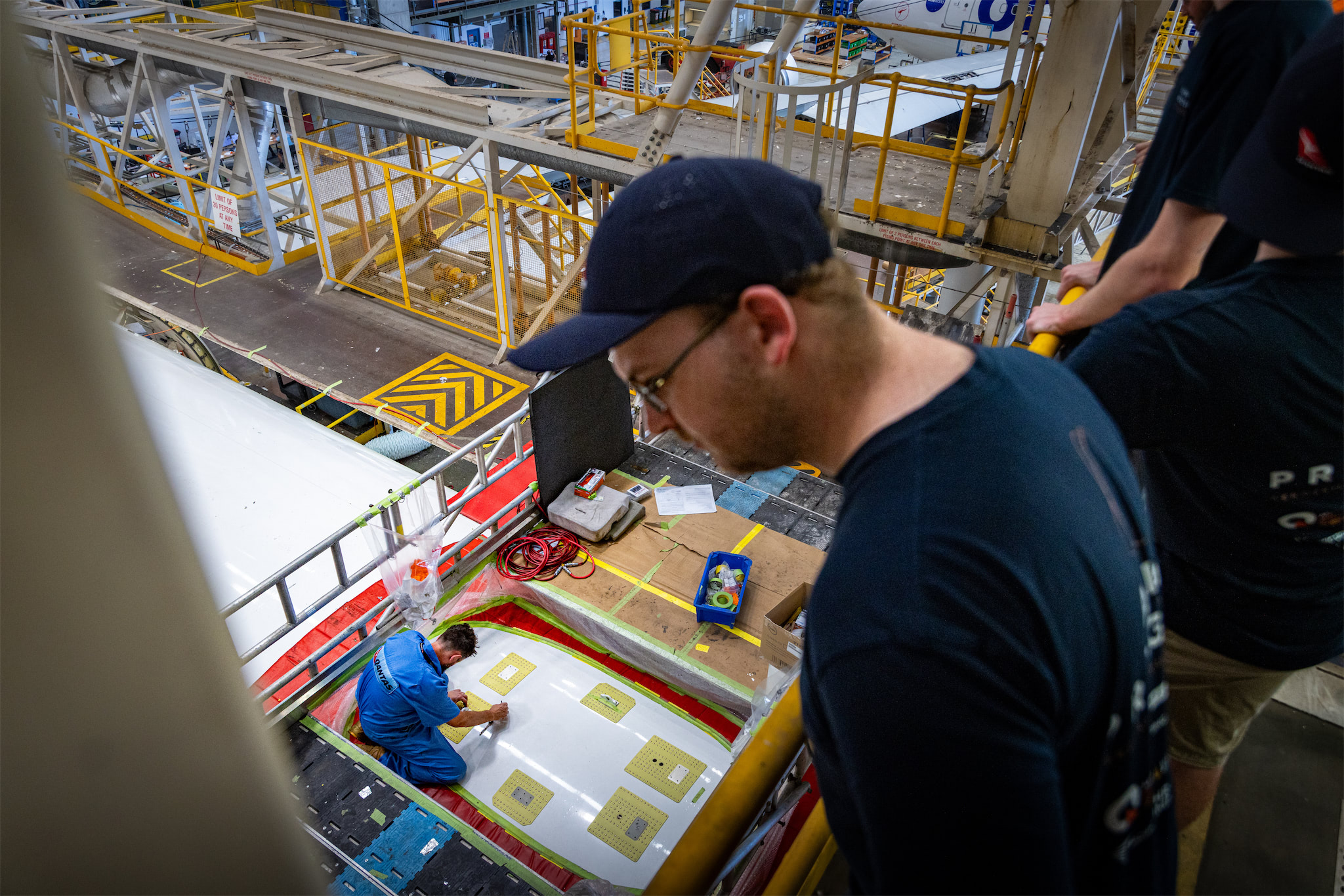
If your goal is to work on aircraft in the hangar, on the line, or in a maintenance workshop, you are usually looking for an Aeroskills and Part 66 pathway.
That means trade-level training, workplace evidence, regulatory exams and maintenance experience.
In Australia, that normally starts with the right apprenticeship, the right Certificate IV in Aeroskills stream, or an entry pathway like AIR if you are not yet in the industry. Later, depending on your role, it may progress into a Diploma of Aeroskills, CASA Part 66 exams and a formal licence pathway.
Where the term “A&P course” fits in
If you are searching for an A&P course in Australia, you are using US language – that’s what the Americans call the study of aeroskills and aircraft engineer licensing.
The FAA Airframe and Powerplant system is not the Australian licensing framework. In Australia, the relevant framework is CASA Part 66. That means the categories, exams, units and privileges are different. The right move is not to force the US method into the Australian system, because they’re different – the right move is to get Sigma to map your career goal into the Australian one properly.
Where “aeronautical mechanic course” fits in
That search usually means the person wants practical aircraft maintenance training, not a design degree.
In Australia, the more relevant language is aircraft maintenance engineering, Aeroskills, apprenticeship, Part 66, B1, B2, A category, and type training. With a clear understanding of terminology, your training decisions become much clearer.
How to choose the right path
Ask a simple question: do you want to design aircraft, or do you want to maintain aircraft?
If the answer is maintenance, the next question is whether you are starting from zero, already employed in maintenance, or already experienced and trying to formalise or extend what you do.
If you are starting from zero, the first move is usually entry to the hangar. If you are employed, the next move is the correct trade or licence-aligned training pathway. If you are experienced, the next move may be an RPL and gap pathway rather than a standard classroom program.
Why Sigma is useful here
We are direct about what we do and what we do not do.
Sigma Aerospace College exists for aircraft engineers and aircraft maintenance pathways. That means we help with pre-apprenticeship entry, apprenticeships, Cert IV and Diploma Aeroskills training, Part 66 licence pathways, exclusion removals, foreign conversion and type training.
That clarity saves time. The faster you identify the real pathway, the less chance you have of enrolling in the wrong thing.
The point
If you are searching for an aeroplane engineering course because you want to work on aircraft, you are probably looking for aircraft maintenance training, not a generic engineering degree description. In Australia, that means Aeroskills and Part 66. Start there – plus, we can help.