
Study with Sigma Aerospace CollegeStudy Modes (RPL, Workplace, Face-to-Face)RPL Process for Aircraft Engineers

Licence Pathway for Experienced ENgineers

Our RPL Process
For Aircraft Engineers

Training engineers who work. Recognition of Prior Learning and gap assessment courses built for working aircraft engineers: evidence-mapped unit assessment, then CASA exams where your outcome requires them.

Built for engineers who work

An Aircraft Engineer RPL Process without Shortcuts

You can’t fast-track competence. You can prove it, close the gaps, and progress your career with confidence.

Assess every requirement

We assess against the full unit requirements: elements, performance criteria, knowledge evidence, and assessment conditions. If something isn’t covered, it stays open until it is.

Evidence from real maintenance

RPL uses the documentation you already live in: job cards, work packs, logbooks, worksheets, photos of completed work, and supervisor verification. Sensitive details can be redacted.

CASA outcomes handled properly

When a training product includes a CASA Part 66 outcome, you also sit invigilated module exams. They confirm depth for licensing. They don’t replace unit assessment.

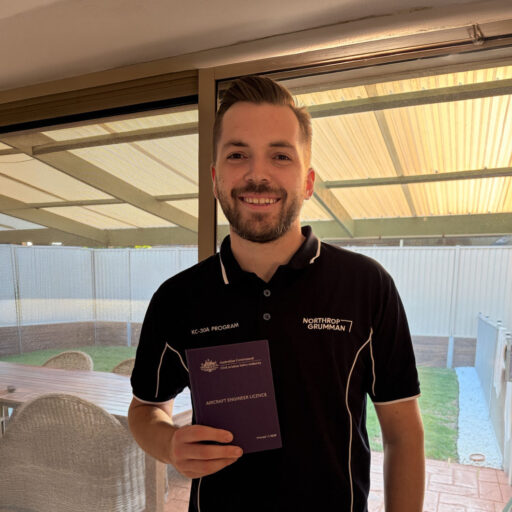
Best part would be how fast the communication is with everyone.
Above and beyond. Before enrolling I spoke with Nick Booth who thoroughly explained everything I need to know, and the initial RPL process was so easy and done in a timely manner. After waiting 10 months for an initial assessment with another RTO, it was a relief when with Sigma it came in within a few days. Best part would be how fast the communication is with everyone. [The Team] all respond to any queries very quickly and accurately.
Lewis – Northrup Grumman

What is RPL for aircraft engineers?

Recognition of Prior Learning is formal assessment, not paperwork.

RPL is an assessment pathway that recognises existing skills and knowledge against AQF units of competency. It’s designed for experienced engineers who can demonstrate what they already do, using evidence that stands up to scrutiny.

At Sigma, RPL is usually paired with targeted gap assessment. If your evidence doesn’t cover a requirement, we don’t guess. We issue a Training Needs Report (CASA refers to this as a ‘Initial RPL Report’) after onboarding showing credit transfer opportunities, units eligible for full RPL, and what still needs evidence or knowledge assessment. Then we build a learning plan in the LMS so you can see, unit by unit, exactly what’s left.

If you already hold the same unit from another RTO, that’s credit transfer, not RPL.

If the goal is a qualification that holds up in an audit, the evidence has to hold up first.

Explore Courses

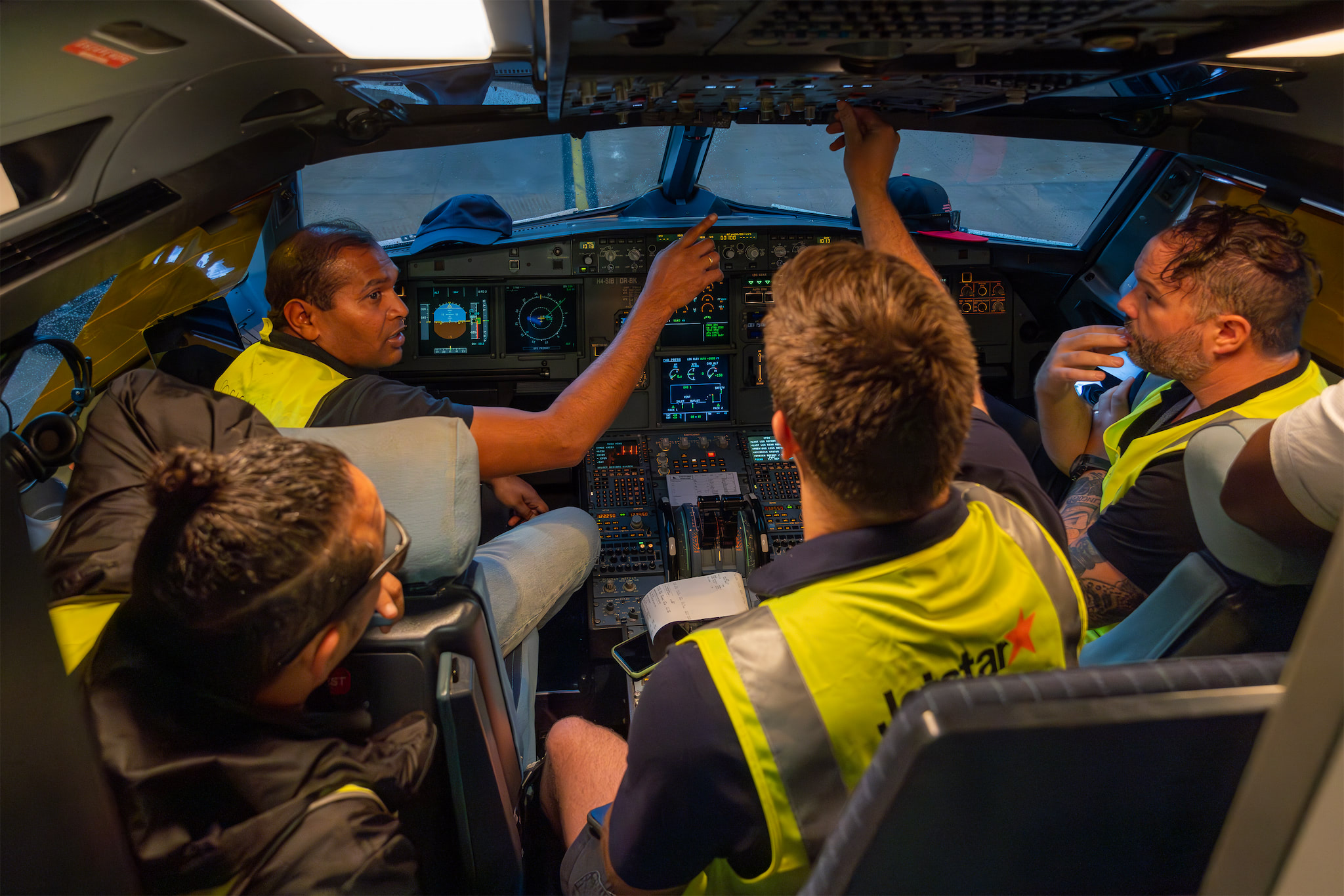
Thanks to SIGMA for providing content that challenged me but also supported my learning.
The material was clear and really helpful once I got into it. Thanks to Sigma for providing content that challenged me but also supported my learning. It was definitely challenging at times, but I managed to complete it and, in the process, refreshed and added to my knowledge in the industry. Overall, it was better than expected and a valuable learning journey for me. The support provided for the RPL process in this course was the best I’ve experienced. The guidance was clear, timely, and very helpful throughout. From email communication to instructions and assistance, everything was well-organised and made the process much smoother. Compared to other courses, the support here was vastly better.
Aaron – Qantas

Is RPL the right pathway for you?

Designed for engineers who are already in the maintenance environment.

Engineer RPL and gap assessment courses work best when you’ve got routine access to aircraft maintenance work, current documentation, and a workplace contact who can verify your experience when needed.

Good fit if you’re experienced (2+ years working on aircraft), and have solid, documented aircraft maintenance experience (civil or defence), can access workplace evidence that’s traceable to you and the task, and you’re comfortable doing self‑directed online theory to close any knowledge gaps.

Not a good fit if you’re new to the industry, you aren’t currently in an aircraft maintenance environment, or you have less than two years’ experience, you can’t provide authentic workplace evidence or third‑party verification, or you need practical training delivered from scratch (this pathway assesses practical via RPL). It’s also not for anyone looking for a quick sign‑off without doing the work.

Why employers like this model: because we’re recognising experience, there’s no need for a formal traineeship or block release – so engineers stay productive.

Talk to the training team
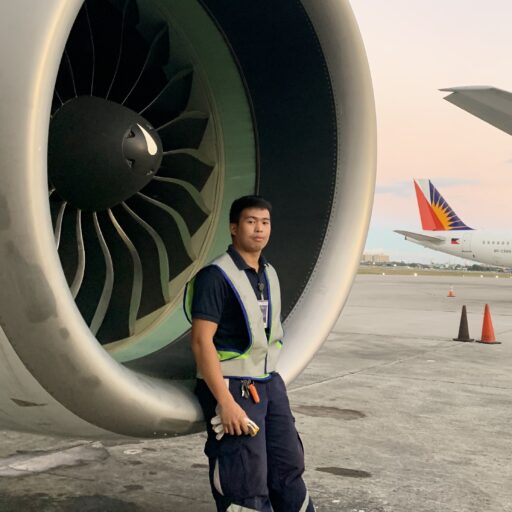
I never had something take more than a few days from Sigma.
Self-paced delivery has been the greatest benefit of online study. I consider my self quite studious at times, but often get bogged down with life. Being able to slot it in with my lifestyle made it significantly easier than what would had been in person learning at the other institutions. Must I say that the time other institutions take to communicate absolutely pales in comparison to the prompt and rapid replies of Sigma staff. I never had something take more than a few days from Sigma. Elsewhere, a week was the bare minimum for the time you would expect a reply.
John – Jetfix Avionics Toowoomba

The Sigma RPL and gap assessment process

Four phases. Clear outputs. No mystery steps. No hidden fees.

Phase 1: Application and gap analysis
We confirm eligibility, review your documents for credit transfer, and run a structured gap analysis against your chosen course and stream. Output is an Initial Report / Training Needs Report (CASA calls this an ‘Initial RPL Report’) showing what can be credited, what can be RPL’d, and what needs targeted gap assessment or more evidence. Once you’re ready, we configure your LMS learning plan around those gaps.
Phase 2: Knowledge gap assessment and evidence upload
You complete any required knowledge assessments that are mapped to the unit requirements. In parallel, you upload practical evidence through the LMS using the formats requested for each unit. This is where we separate unit assessment from CASA exams: the knowledge assessment is for competency; the CASA exam is for licensing where applicable.
Phase 3: Competency conversation
A structured 1:1 technical discussion, typically 30–60 minutes. It’s used to verify authenticity, test reasoning, and confirm you can apply the knowledge in context. Conversations are recorded and retained as part of the assessment record.
Phase 4: CASA exams where applicable
If your training product includes a CASA Part 66 outcome, we schedule invigilated module exams (including online options where approved). These exams confirm depth of knowledge for licensing. They are not used as a shortcut to prove unit competence.

Evidence requirements

Practical competence is proven with authentic workplace evidence.

RPL is evidence-based. To assess you fairly and defensibly, we need evidence that is valid, sufficient, authentic, and current. The usual sources are maintenance documents already controlled by your organisation.

Typical examples include task or job cards and work pack extracts that clearly identify the aircraft, task and your involvement, as well as maintenance records and worksheets generated through approved data. Logbook or journal entries that demonstrate repeated performance over time are also relevant, particularly where they show progression in responsibility and complexity. Photographs of completed work can be included where appropriate, provided they are traceable to you and the task, and supported by contextual documentation. Third-party verification from a supervisor or authorised person is often critical, confirming that the work was performed by you, to standard, and in accordance with approved maintenance data.

You don’t need to share sensitive customer details or classified information. Redact what isn’t required for assessment and follow your employer’s confidentiality rules.
If a unit expects breadth or repetition, a single task won’t cover it -but in each example we’ll tell you clearly what’s missing and what evidence would close the gap.

If it isn’t traceable to you, the workplace, and the unit requirement, it won’t be enough.

View the Acceptable Practical Evidence Guide

How we ensure integrity

We apply the rules of evidence the same way maintenance applies QA.

RPL decisions need to be consistent, fair, and defendable. That means we don’t rely on a single “pass mark” event, or on broad claims that can’t be checked. We map evidence to the unit requirements, test knowledge where required, and verify authenticity through competency conversations and employer confirmation when needed.

Where the unit assessment conditions require it, we can request additional evidence or arrange a practical demonstration or workplace observation. All assessment decisions are documented and retained as part of the student record.

A sampling exam can confirm depth. It can’t prove 100% coverage of a unit.

How we ensure integrity

RPL and CASA licensing outcomes

Same engineer, two systems: AQF competency and CASA licensing.

In Australia, vocational qualifications and Part 66 licensing are related but they’re not the same system. AQF outcomes require you to demonstrate every part of the unit of competency. CASA outcomes require Part 66 module exams and the right experience history for the licence or exclusion you’re pursuing.

Our model keeps those requirements separate and clean:

  • Competency first: we assess the unit requirements using mapped evidence, knowledge assessments, and competency conversations.
  • Licensing next: if your course includes a CASA outcome, you then complete the invigilated CASA module exam(s) as the regulator’s confirmation step.


If you’re currently on the CASA self-study pathway, you’re essentially preparing for the CASA exams and building experience – that path also doesn’t confer any VET outcome, and has zero trainer support.

Our RPL and gap model is different: it’s built to prove unit competence as well as prepare you for licensing outcomes, with trainer support, and without repeating work you’ve already earned through real experience.


Explore CASA licence courses

Certificates & Diplomas

AQF qualifications for experienced engineers, delivered via RPL and gap assessment where appropriate.

Explore

CASA Licence and Exclusion Packages

Explore our packaged engineer RPL courses that combine units of competency with CASA Part 66 module exams for licence outcomes.

Explore

CASA Part 66 Exams

Already ready to sit an exam? Book invigilated CASA module exams.

Explore

Apprenticeships and Traineeships

Early in your career or supervising apprentices? Workplace delivery is the right model for structured training plans.

Explore

Confused about Licencing, Qualification or Terminology?
We built an entire knowledgebase website to answer every question we’ve been asked.
EXPLORE