Aircraft Type Training and Type Ratings for Aircraft Engineers: What They Are and When You Need Them
If you are searching for an aircraft type rating, the first thing to clear up is the terminology.
In the aircraft maintenance system, a type rating is a licence endorsement issued by CASA. Aircraft type training is the approved training and assessment used to support that endorsement. Those are related, but they are not the same thing.
That distinction matters because a lot of engineers lose time at this point. Some treat a type course as though it automatically equals a type rating. Others assume every aircraft they work on must require one. Neither assumption is reliable. In Australia, the answer depends on your licence category, the aircraft, the engine, whether the aircraft is type-rated or non-rated under Part 66, and whether you are dealing with a first-of-type outcome or an additional rating later on.
First, separate the three things people keep mixing together
We find it easier to break this into three separate outcomes.
Aircraft type training is the approved theoretical and practical training for a specific aircraft type.
Aircraft type rating is the endorsement CASA places on your Part 66 licence once the regulatory requirements are met.
Aircraft type differences training is additional training used when you already hold a relevant aircraft type rating and need another variant or closely related aircraft/engine combination.
This is not the pilot meaning of “type rating”
Search results for “type rating” often mix flight crew and maintenance.
This article is about aircraft maintenance engineers operating under CASA Part 66. On the engineer side, the rating sits on the maintenance engineer licence and is tied to maintenance certification privileges. It is not a pilot operating qualification.
That is worth stating plainly, because a lot of generic search content is written for pilots, not certifying engineers.
When an engineer actually needs a type rating
Not every aircraft triggers the same answer.
Under the Part 66 framework, B1 and B2 engineers can exercise certification privileges on non-rated aircraft when the licence carries the appropriate category or subcategory. But for large aircraft, and for certain engine-specific cases, the licence must carry the relevant aircraft type rating before those privileges can be exercised. In practice, Appendix IX of the Part 66 MOS is the reference point.
The practical implication is simple. Some engineers assume every aircraft needs a full type course. Others assume their category alone covers everything. Both are over-simplifications. The right question is whether the aircraft and engine combination is treated as type-rated for the privilege you want to exercise.
If you want a quick first filter before going into Appendix IX, start with our knowledgebase article How do I know whether I require a type rating to work on certain aircraft?. Then confirm it against the MOS and your intended scope of certification.
Type training is not the same as the Part 66 basic module pathway
Basic category training gets you to the licence category or subcategory. Type training sits after that, at the aircraft-specific level.
Those are different training problems. A B1.1 licence pathway and a Boeing 737NG type pathway are not interchangeable. One is about the underlying category. The other is about type-specific privileges once that underlying category exists.
What Part 66 type training actually includes
For a B1 or B2 type rating, Part 66 requires more than generic familiarisation.
The training package has two elements: theoretical training and examination, and practical training and assessment.
The practical element is not optional background exposure. It has to cover a representative cross-section of maintenance activities relevant to the licence category or subcategory. That is one reason a proper type course is more structured than a few shadow shifts on a new fleet.

What the theory element is supposed to do
A proper type theory course is not meant to be a superficial aircraft overview.
The objective is detailed knowledge of the applicable systems, structure, operations, maintenance, repair and troubleshooting to approved maintenance-data level. In other words, the engineer should be able to work with the manuals and approved procedures for that aircraft type, not just recognise the components on a diagram.
This is also why full type courses and differences courses are not the same thing. A full type course covers the full aircraft/engine combination for the relevant licence category. A differences course is narrower and only makes sense when the engineer already holds the relevant underlying rating and only needs the delta between one aircraft or variant and another.
What the practical element is supposed to do
Practical type training is not generic hangar exposure.
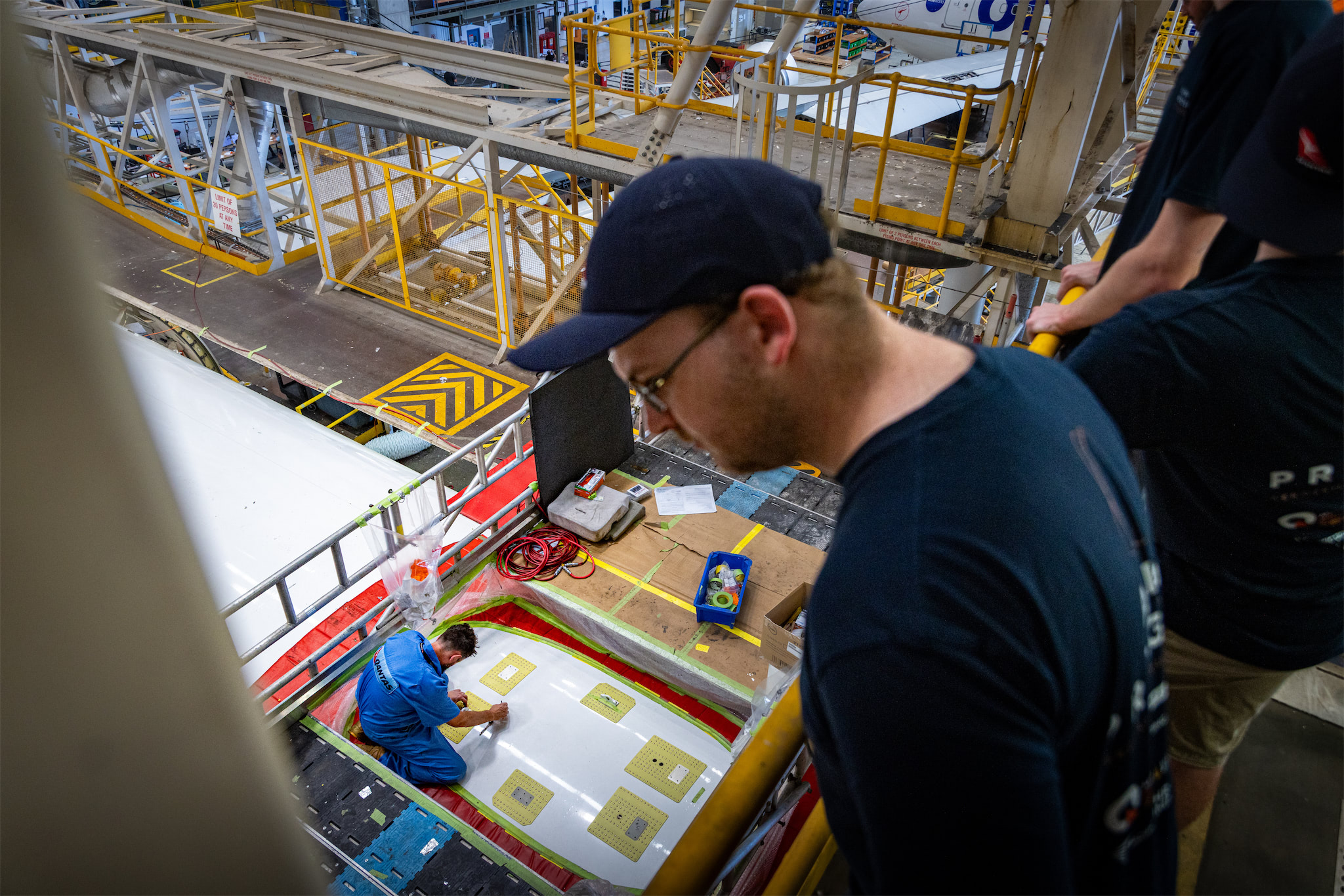
It is fixed-content practical training against a type-specific practical syllabus. The MOS allows that practical training to be delivered using equipment, components, simulators, other training devices or aircraft. It does not always require live servicing or live repair on an aircraft, but it does still require representative type-specific maintenance activity.
In practical terms, the engineer needs to be exposed to the maintenance tasks that matter for that type and category. The point is to show that the type-specific theory can be translated into safe maintenance action under the relevant maintenance data and procedures.
The point most engineers miss: first-of-type usually means OJT as well
This is the part that causes the most confusion.
For a first type rating, practical consolidation training (PCT) or practical on course (POC) training on its own is not enough. There is also an on-the-job training requirement. That is why some engineers finish theory, or even finish theory plus practical on course, and still do not yet have a complete rating outcome. The OJT requirement still has to be completed, recorded and submitted properly.
If you are planning a first-of-type pathway, build the OJT into the plan from the start. Do not treat it as something to think about after the classroom part is over.
Type course, differences course, or exclusion removal?
These are different problems and they should not be bundled together.
If you do not yet hold the relevant aircraft type rating, you are usually looking at a full type training path.
Or, if you already hold a relevant type rating and only need an additional variant or closely related aircraft/engine combination, you may be looking at a differences course instead.
Further, f your licence already carries exclusions, a type rating does not automatically remove them. Category exclusions and type-specific exclusions are a separate issue and need to be dealt with through the correct exclusion-removal pathway.
That is why we publish separate products for exclusion removals, full licence pathways, and aircraft type or differences training. It keeps the outcome clear.
We also cover the type-exclusion issue directly in the Sigma Knowledgebase here: What would happen to the aircraft type ratings on my licence once I complete category exclusion removal?
How we deliver aircraft type training at Sigma Aerospace College
We deliver aircraft engineer training as RTO 40713 and a CASA Part 147 Maintenance Training Organisation.
For type training, our current public course structure is deliberately straightforward.
Theory-only pathways are published as instructor-led live online courses. Practical pathways are published as in-person Practical On Course (POC) training delivered at a nominated airport or maintenance base using an aircraft of the relevant type. That makes it much easier to match the delivery mode to the actual gap you are trying to close.
Our current public application flow also reflects that. On the type training application page, engineers can select the aircraft/course and then choose theory only, practical only, or a packaged theory and practical pathway.
That matters because not every engineer needs the same thing. Some already have acceptable practical exposure and only need theory. Others need practical only. And some need the full path. The application flow should reflect that rather than forcing every candidate through the same pattern.
What our current public menu looks like
Go to the live pages and check the current menu.
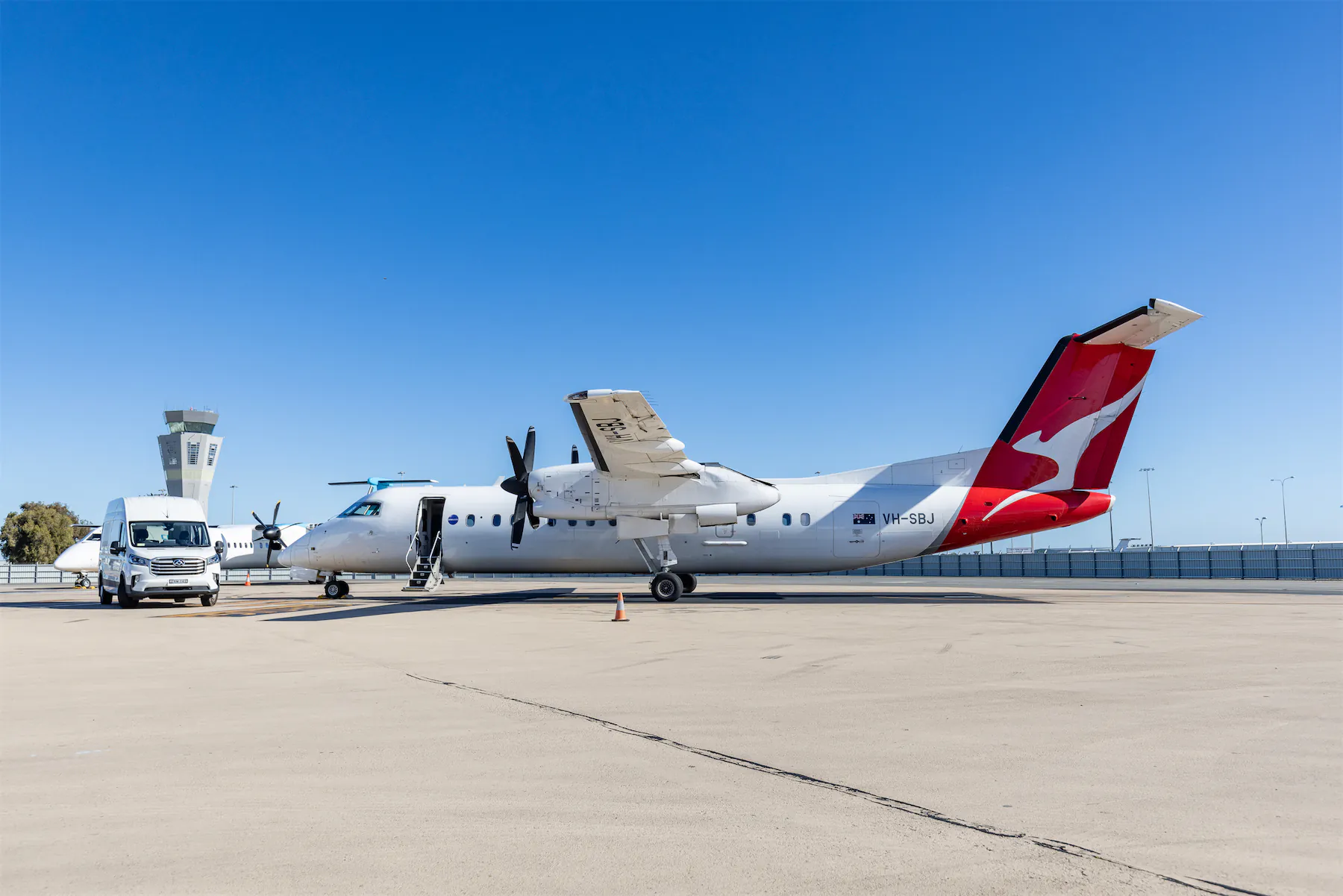
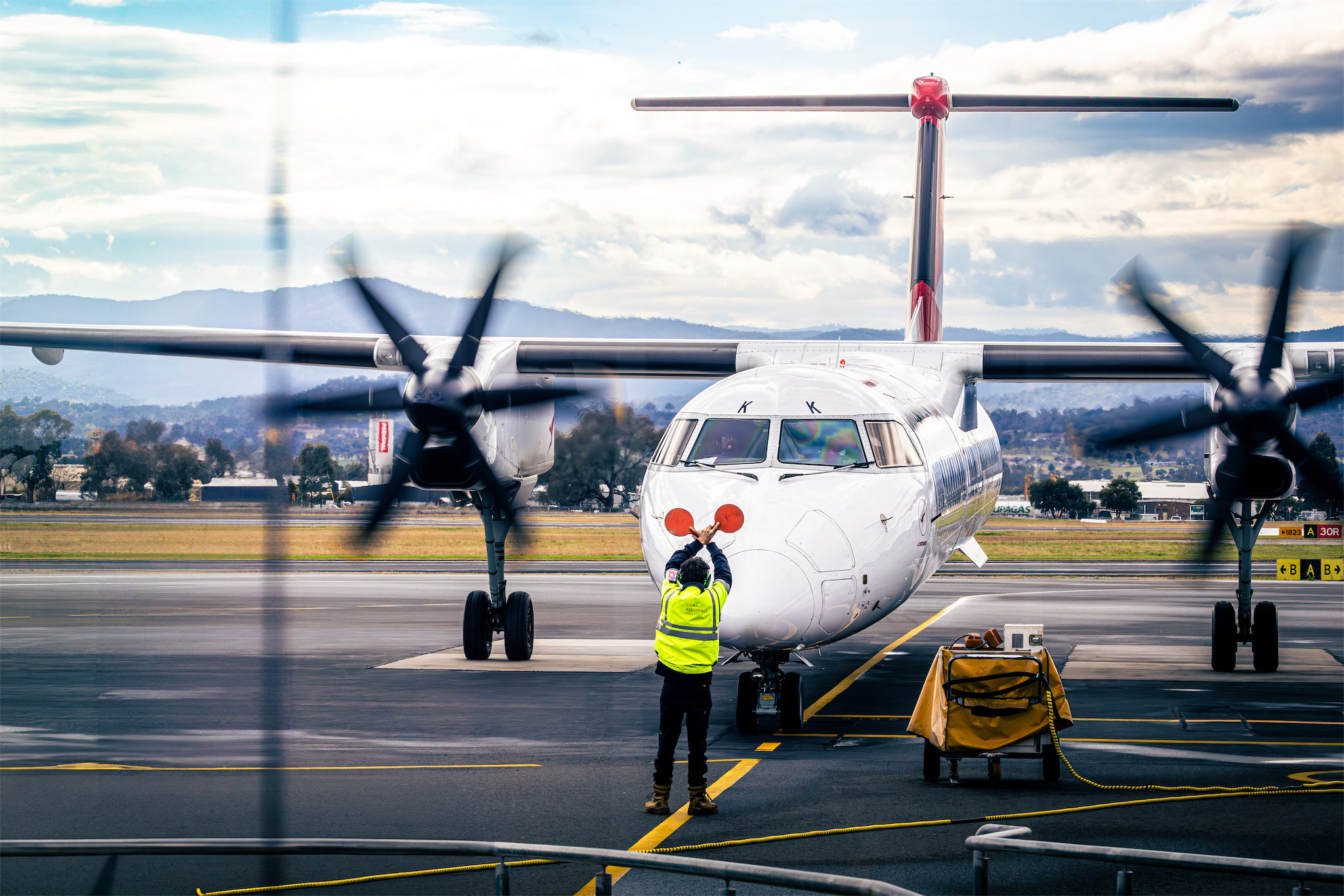
Our public type-training application page includes current menu options such as Boeing 737 MAX, Boeing 737NG, Boeing B717, De Havilland Q400, De Havilland DHC-8 100/200/300, Airbus A319/320/321 (IAE V2500), and V2500 borescope training. We also currently publish differences training options such as 737NG to 737 MAX.
If the aircraft you need is not listed, start with the course library or the application page and contact us from there. The right outcome is more important than forcing the closest-looking product.
How to choose the right pathway before you apply
Start in this order.
- Confirm your Part 66 category or subcategory. A B1.1 mechanical engineer, a B2 avionics engineer, and a Category A licence holder are not solving the same problem.
- Confirm whether the aircraft actually requires a type rating for the privilege you want to exercise. Use Appendix IX, not hearsay.
- Work out whether you need a full type course, a differences course, or an exclusion-removal product.
- Decide whether you need theory only, practical only, or both. Do not pay for the wrong element.
- Plan the OJT properly. If this is your first type rating, do not leave the OJT question until the end.
How to start with Sigma
If you are ready to move, the simplest path is to go to our type training application page, choose the aircraft/course, select theory only, practical only or packaged delivery, nominate your preferred commencement timing, and submit the application.
If you are still not sure which product matches your privilege, start with the Aircraft Engineer Licence (CASA) page or our course library before you apply.
For Australian civil qualifications, the actual application to CASA for an aircraft type rating endorsement is lodged on Form 541 after the relevant training requirements have been met. CASA issues the rating. The training provider does not “issue” the rating onto the licence.
Frequently asked questions
Do I need a type rating for every aircraft?
No. Some aircraft are non-rated for the privilege you are exercising, and some are type-rated. Appendix IX is the reference point. Do not assume the answer from the aircraft name alone.
Is theory-only enough to get the rating?
No. Theory-only is only the theoretical element. You still need the practical element and, where applicable, OJT before the rating can be endorsed.
Can type training be done online?
The theory element can. On our current public course pages, theory-only delivery is live online. Practical training is still delivered in person against the relevant aircraft environment.
What if I already hold one type rating and only need another variant?
You may be looking at a differences course rather than a full type course. That depends on the aircraft, the existing rating, and the actual regulatory gap.
What if my licence carries exclusions?
A type rating does not automatically remove them. Exclusions are a separate problem and need a separate pathway.
What about Category A?
Category A operates differently. Under Part 66, Category A holders follow aircraft task training for the specific aircraft type rather than the B1/B2/C type rating model.
Further reading
- Apply for Type Training
- Sigma Course Library
- Aircraft Engineer Licence (CASA)
- Exclusion Removals (CASA Licence)
- How do I know whether I require a type rating?
- What happens to type ratings after category exclusion removal?
- CASA: Aircraft maintenance engineer licence (Part 66)
- CASA: Apply for a Part 66 licence
- CASA: Become a licensed aircraft maintenance engineer
- Part 66 Manual of Standards
- CASA AC 66-07: Practical training options for aircraft type training