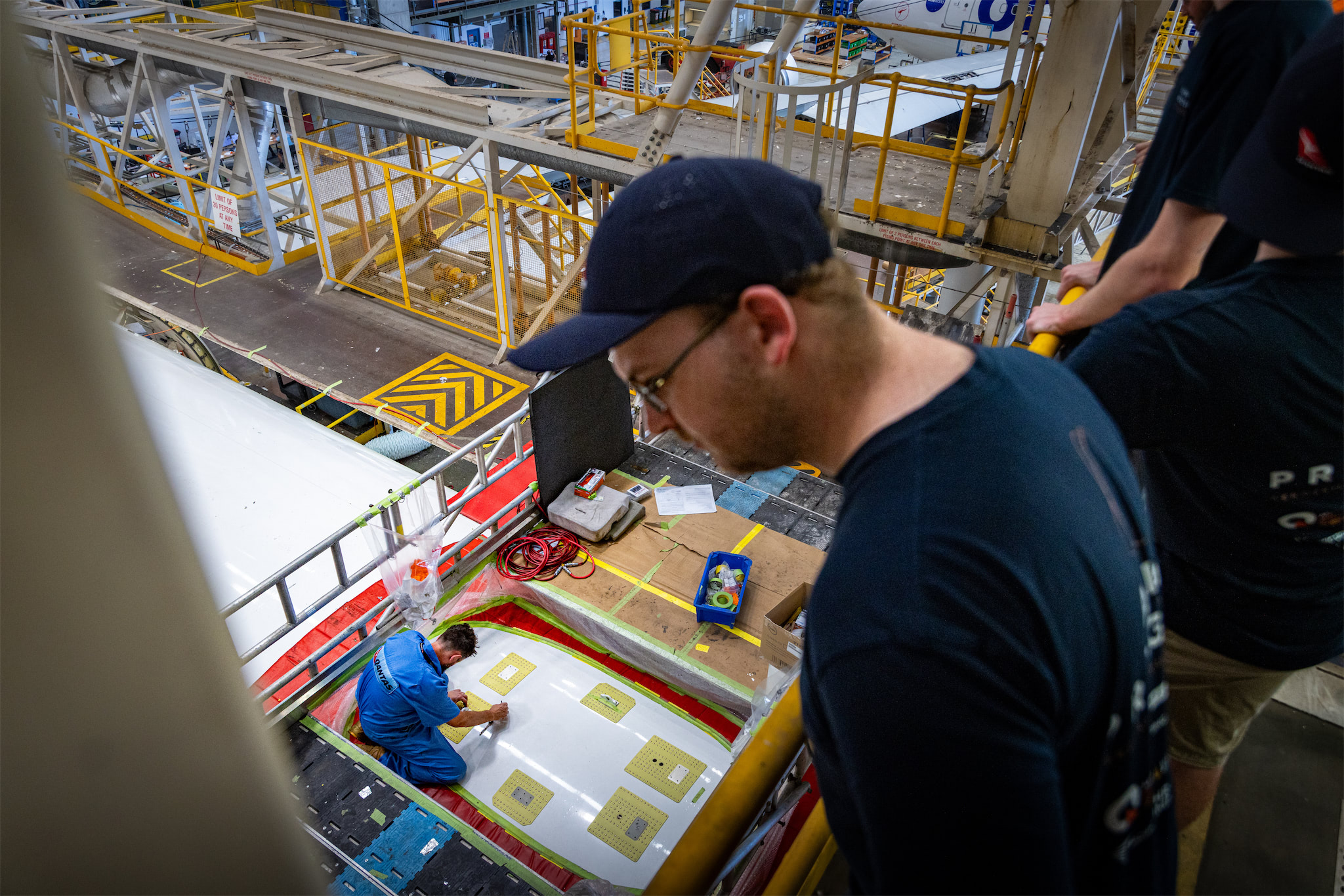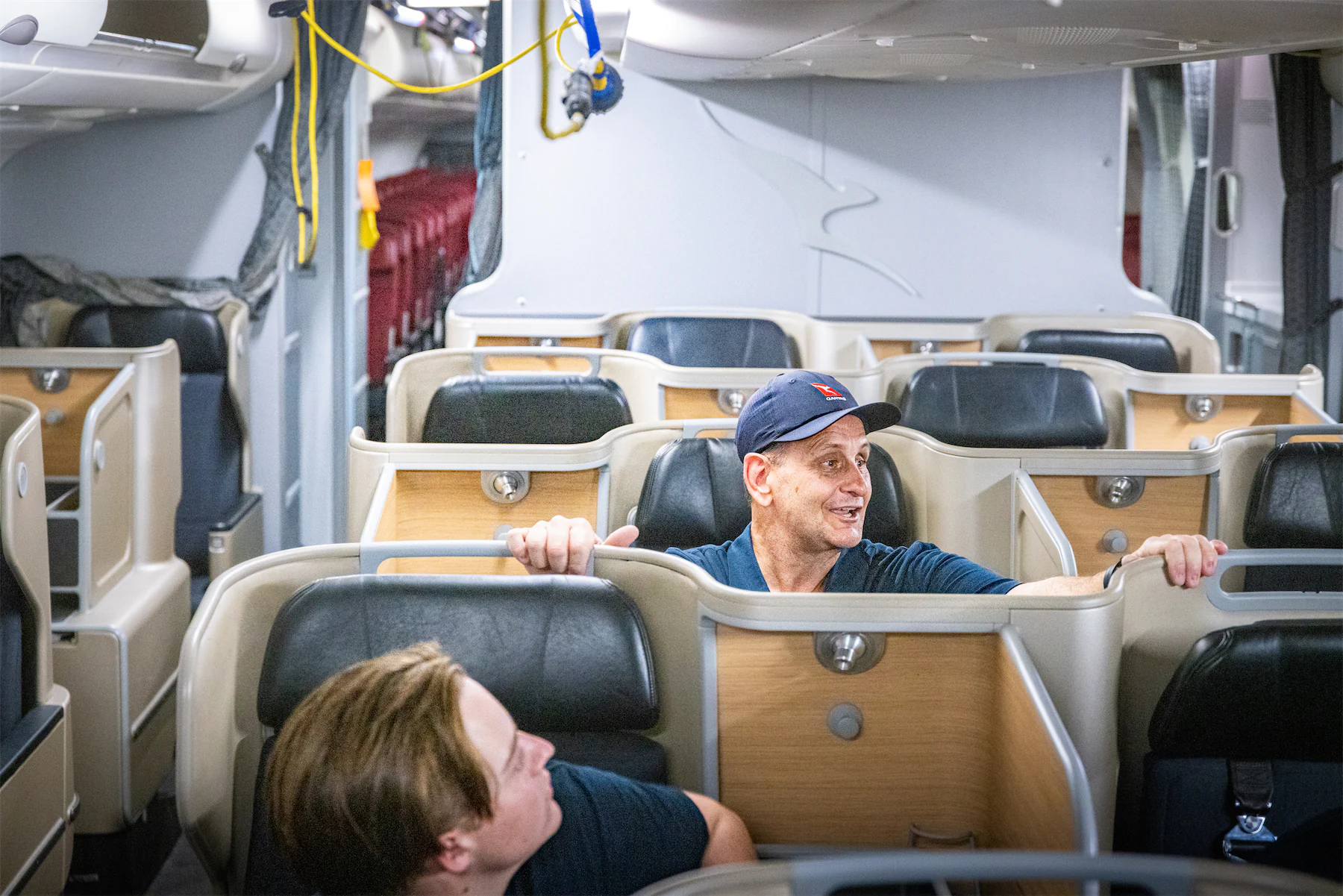
If you are searching for aircraft maintenance trade assistant jobs, that usually means one thing: you are trying to get your first real foothold in the maintenance environment.
That is a sensible place to start. In aircraft maintenance, not everyone begins as an apprentice on day one. Trade assistant roles, hangar support roles and other entry-level maintenance positions are a normal way into the industry. They give new entrants exposure to the pace, discipline, standards and routines of a real maintenance organisation before a formal apprenticeship or licence path begins.
What a trade assistant role actually does
A trade assistant in aircraft maintenance is not a licensed engineer and is not there to pretend to be one.
The role is an entry point. That usually means supporting qualified engineers and the maintenance team with controlled tasks, basic workshop or hangar duties, tool and parts handling, aircraft preparation work, cleaning and presentation tasks, basic disassembly or installation support under supervision, paperwork support, and general maintenance workflow tasks that build familiarity with the environment.
The exact task mix changes between operators, MROs, airlines, helicopter operators and general aviation workshops. But the pattern is consistent. Trade assistant roles are about learning the environment, behaving safely, and becoming useful under direction.

Why this is a legitimate entry path
A lot of people waste time waiting for a perfect apprenticeship ad.
In reality, employers often learn more from a good trade assistant than from a good résumé. They see whether the candidate turns up on time, follows instruction, respects process, handles tools properly, communicates clearly, and fits the safety culture. In a hangar, that matters.
This is why we do not treat trade assistant work as a failed start. Done properly, it is one of the most practical ways to become apprenticeship-ready.
What employers usually assess first
At entry level, employers usually assess behaviour before depth of knowledge.
They want to know whether you can work safely, whether you take direction well, whether you stay calm, whether you ask when you do not know, and whether you can be trusted in a regulated environment.
That is also why generic enthusiasm is not enough. In aviation maintenance, “keen” only helps if it comes with discipline.
How Sigma helps people get in properly
At Sigma Aerospace College, the entry-level pathway we use for new entrants is AIR — Aeroskills Industry Readiness.
AIR is a structured five-week intensive screening and readiness program designed to prepare selected candidates for trade assistant, apprenticeship and flight line roles. The point is not to hand out vague motivation. The point is to identify who is actually ready to enter the maintenance environment and give them a practical foundation before they step into the hangar.
It is also worth being direct about what AIR is not. It is not a guaranteed job offer. It is a readiness and screening pathway designed to make the next hiring decision more credible for both the candidate and the employer.
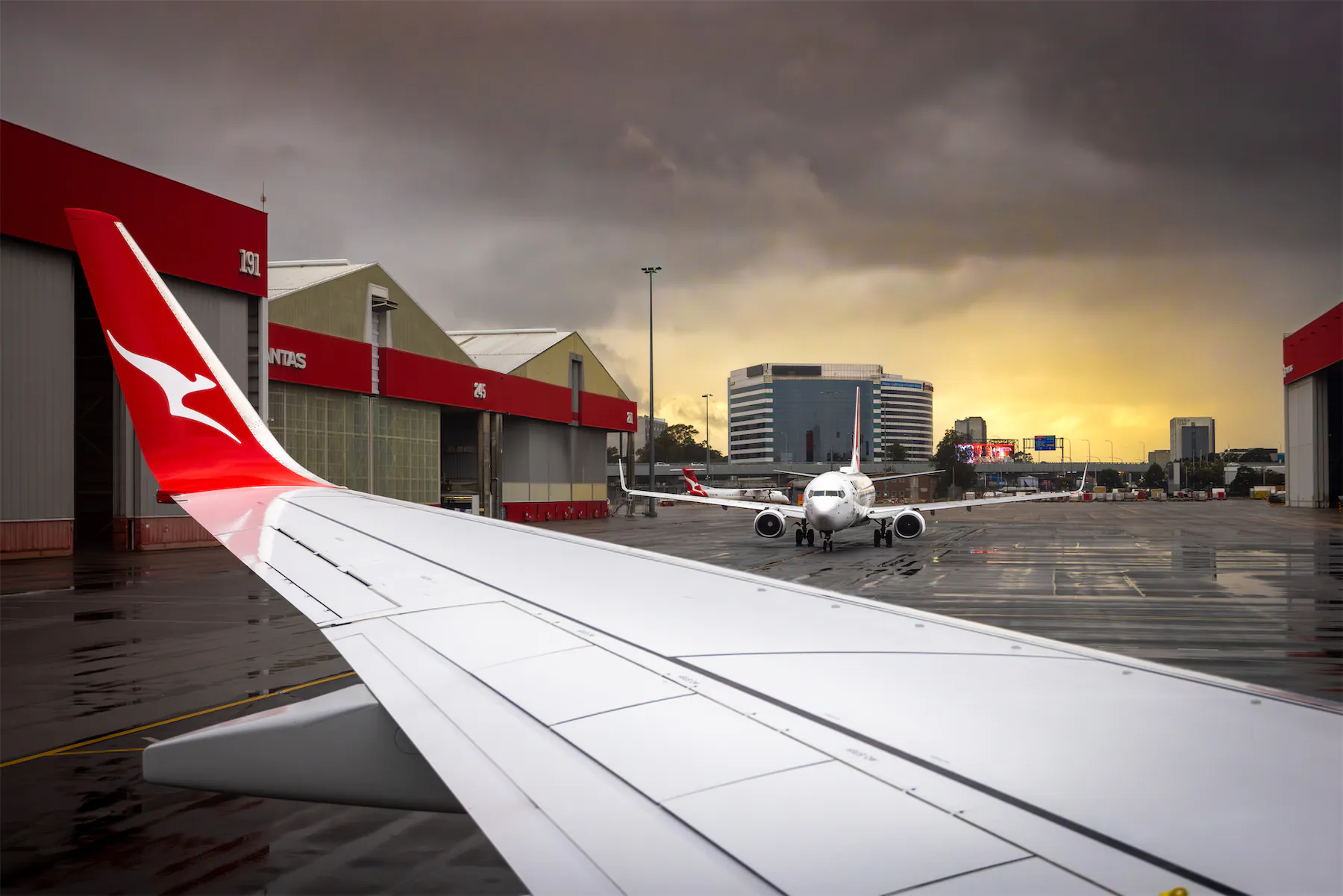
What you should do if you want this path
First, widen the target. Look at trade assistant roles, apprentice roles, entry-level hangar support roles and pre-apprentice options together.
Second, stop treating every operator as identical. Airline, regional, helicopter and general aviation environments all hire differently. Third, use the job market properly. Sigma’s Jobs Board and career services give you a much clearer view of where aircraft engineering employers are actually hiring.
Once you are inside the environment, the next step becomes much clearer. That is when an apprenticeship, the right Certificate IV in Aeroskills pathway, and later licensing decisions start to make practical sense.
What not to do
Do not assume you need to look impressive before you can get in.
ou need to look employable. Do not assume the first qualification with “aircraft” in the title is automatically the best first step. And do not assume that classroom theory without workplace exposure will make you hangar-ready.
The industry is looking for useful people, not course collectors.
The practical point
If your goal is aircraft maintenance, a trade assistant role is often the real first door.
It gets you into the environment, around the aircraft, around the paperwork, around the standards, and around the people who will decide whether you are worth backing further.
That is why Sigma treats this path seriously. Entry matters. The first move should make the second move easier.